What Should You Do When a Burst Pipe Floods Your Newport Beach Home?
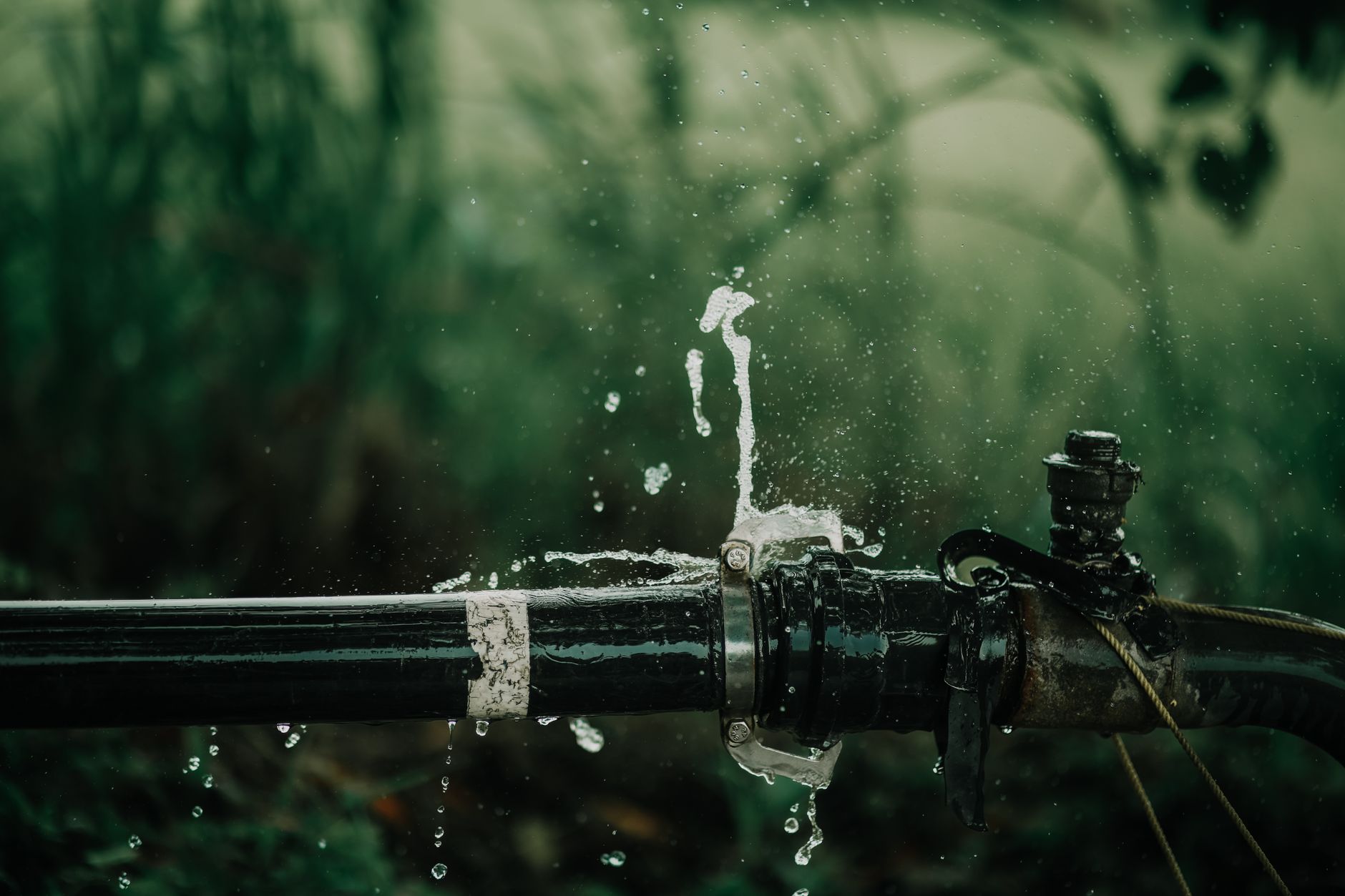
A burst pipe is one of the most disruptive and costly emergencies a homeowner can face. In a matter of minutes, a single ruptured pipe can release hundreds of gallons of water into walls, flooring, and structural cavities — turning a livable home into a restoration project. For Newport Beach residents, the combination of aging coastal infrastructure, shifting soils, and older plumbing systems in many neighborhoods makes burst pipes a more common threat than most homeowners expect. Knowing what to do in the first hour can mean the difference between a manageable repair and a major mold remediation job weeks later.
This guide walks you through exactly what happens during a burst pipe emergency, the immediate steps you should take to minimize damage, what professional restoration involves, and how to choose the right company to restore your property. Whether you own a home in Newport Beach, Costa Mesa, Huntington Beach, or anywhere else in Orange County, the information here applies directly to your situation and local conditions.
What Causes Burst Pipes in Newport Beach Properties?
Unlike homes in colder climates where frozen pipes are the leading cause of ruptures, Orange County properties face a different set of risks. Understanding these causes helps you take preventive action and recognize warning signs before a full pipe failure occurs.
Common Causes in Southern California
Corrosion is the leading cause of burst pipes in older OC homes, particularly in Fullerton, Santa Ana, and Garden Grove neighborhoods built before the 1980s. Galvanized steel and older copper pipes degrade over decades, eventually developing weak spots that give way under normal water pressure. High water pressure itself is another culprit — municipal water supplies in parts of Orange County regularly run above the recommended 60–80 PSI range, and without a pressure regulator, that constant stress slowly destroys pipe joints and fittings.
Root intrusion from landscape trees, ground movement from seismic activity, and poorly executed prior repairs also contribute to sudden pipe failures. Newport Beach properties near the Back Bay or older Balboa Peninsula homes often deal with soil movement and corrosion from proximity to salt air and brackish water tables, accelerating deterioration in underground and foundation plumbing.
How Quickly Water Damage Spreads
Water moves fast. Within the first 30 minutes, water saturates drywall, insulation, and flooring. Within the first few hours, it wicks upward into wall framing and begins undermining subfloors. By 24–48 hours, conditions are ideal for mold growth — and according to the EPA, mold can begin developing in as little as 24 to 48 hours in wet building materials. By the time visible mold appears, it has often already colonized hidden cavities behind walls and under flooring.
Immediate Steps to Take After a Burst Pipe
The actions you take in the first 30 to 60 minutes after discovering a burst pipe have an outsized impact on the total restoration cost and timeline. Here is exactly what to do.
Step 1: Shut Off the Water Supply Immediately
Locate your main water shutoff valve and turn it off. In most Newport Beach homes, this is near the street at the meter box or adjacent to the water heater. Every second the water runs adds to saturation depth and structural exposure. If you cannot find the shutoff or it is not functioning, call your local water utility or a licensed plumber immediately.
Step 2: Document Everything Before Cleanup
Before moving anything or beginning any cleanup, take video and photographs of all affected areas. This documentation is critical for your homeowner’s insurance claim. Capture the water source, affected rooms, saturated materials, and any visible damage to belongings. Do not discard any damaged items until after your adjuster has reviewed the claim.
Step 3: Remove Standing Water Safely
If it is safe to do so — meaning no risk of electrical hazard from flooded outlets or subpanels — you can begin extracting standing water using a wet/dry vacuum or mop. This slows the saturation process but does not replace professional drying. Do not use household fans as the sole drying method; they move surface air but cannot dry inside wall cavities or under flooring where moisture is trapped.
Step 4: Call a Water Damage Restoration Professional
This is not optional if your home has experienced significant flooding. A professional water damage restoration company uses moisture meters and thermal imaging cameras to detect water in areas that look dry to the naked eye. Without this equipment, trapped moisture goes unaddressed, creating an environment where structural rot and mold develop silently over the following weeks.
DIY vs. Professional Restoration: Knowing the Difference
When You Can Handle It Yourself
Minor incidents — a slow drip from a supply line that dampened a small area of cabinet flooring, for example — may be manageable without professional help if the water exposure lasted less than an hour and the affected area is small and non-porous. In these cases, thorough drying with fans and a dehumidifier over 3–5 days and monitoring for any musty odors may be sufficient.
When You Must Call a Professional
Any situation involving significant standing water, saturation of drywall or structural materials, water that reached subfloor or framing, or water exposure lasting more than a few hours requires professional assessment. This applies across all Orange County communities — from Irvine condominiums to Yorba Linda single-family homes to Newport Beach coastal properties. The hidden moisture left behind by amateur drying attempts is one of the most common causes of large-scale mold problems we see at Ready Restore OC.
What Professional Water Damage Restoration Involves
Understanding the restoration process helps you ask the right questions and evaluate whether a company is doing the job correctly.
Inspection and Moisture Mapping
IICRC-certified technicians begin every job with a thorough inspection using professional-grade tools including thermal imaging cameras, penetrating and non-penetrating moisture meters, and hygrometers to measure ambient humidity. This moisture mapping identifies every affected area, including hidden cavities that cannot be seen visually.
Water Extraction and Structural Drying
Truck-mounted or portable extractors remove standing water far more effectively than consumer equipment. Once extraction is complete, the drying phase begins using commercial-grade equipment including high-velocity air movers and industrial dehumidifiers that pull moisture from structural materials at a rate that household dehumidifiers simply cannot match. HEPA air scrubbers are deployed in situations where disturbed materials may introduce airborne particulates.
Antimicrobial Treatment and Mold Prevention
After structural drying reaches acceptable moisture levels, affected surfaces are treated with EPA-registered antimicrobial solutions to prevent mold colonization. If mold has already developed — common in situations where water damage went undetected for more than 48 hours — a separate mold removal protocol is initiated following CDC guidelines for safe remediation.
What Does Burst Pipe Restoration Cost in Orange County?
Costs vary significantly based on the category and class of water damage, the square footage affected, and the materials involved. In the Orange County market, homeowners should expect the following general ranges:
- Minor water damage (small area, less than 24 hours exposure): $1,500–$4,000
- Moderate damage (multiple rooms, saturation into walls or subfloor): $5,000–$12,000
- Severe damage (structural materials, multiple levels, mold present): $15,000–$40,000+
Insurance typically covers burst pipe water damage under standard homeowner’s policies, but coverage depends on the cause and your specific policy terms. Gradual leaks — meaning damage that occurred slowly over time rather than suddenly — are frequently excluded. Always report the claim promptly and get a professional assessment on record as early as possible.
National Restoration Companies Homeowners Research
When searching for help after a burst pipe, many Orange County homeowners research well-known national brands. Companies like SERVPRO, ServiceMaster Restore, PuroClean, and BELFOR Property Restoration all operate in the Southern California market and are legitimate options with established protocols. These companies offer 24/7 emergency response, IICRC-certified teams, and standardized restoration processes.
The practical difference when working with a locally rooted company like Ready Restore OC is response time, direct communication with the team doing the work, and familiarity with the specific construction types, permit requirements, and insurance adjusters common to Orange County properties. For Newport Beach, Anaheim, and Huntington Beach homeowners especially, local expertise and faster dispatch can meaningfully reduce total damage and restoration cost.
Risks of Ignoring Water Damage or Delaying Restoration
Homeowners sometimes delay calling a restoration company due to cost concerns, difficulty reaching their insurance carrier, or underestimating the severity of the damage. This is consistently the most expensive mistake in water damage situations. Delayed response leads to:
- Mold growth spreading into HVAC systems, affecting air quality throughout the entire home
- Subfloor and structural framing rot requiring full replacement rather than drying
- Swelling and delamination of hardwood floors, cabinets, and wood framing
- Insurance claim complications when damage worsens after the initial incident
- Health impacts from mold exposure, particularly for children, elderly residents, and those with respiratory conditions
Why Orange County Homeowners Choose Ready Restore OC
Ready Restore OC is a locally operated water damage and mold remediation company based in Brea, serving all of Orange County including Newport Beach, Irvine, Costa Mesa, Fullerton, Anaheim, and surrounding communities. Our team includes IICRC-certified water damage restoration technicians and applied microbial remediation specialists.
- 24/7 emergency response with rapid dispatch across Orange County
- IICRC-certified technicians trained in IICRC S500 water damage and S520 mold remediation standards
- Professional equipment: thermal imaging, moisture meters, commercial dehumidifiers, HEPA air scrubbers
- Direct insurance billing and documentation support for claims in all major carriers
- Transparent scope of work with written estimates before any work begins
- Mold testing coordination and clearance documentation following remediation
- Full post-drying moisture clearance reports for insurance and real estate purposes
If you have experienced a burst pipe or suspect hidden water damage, request an inspection from our team today. Early assessment is always less costly than waiting.
Frequently Asked Questions
How long does it take to dry out a home after a burst pipe?
In most cases, structural drying takes 3 to 5 days when professional equipment is deployed promptly after the incident. Severely saturated materials — thick concrete slabs, layered hardwood flooring, or dense insulation — can extend the drying timeline to 7 days or more. Your restoration technician will monitor moisture readings daily and provide clearance documentation when drying goals are met.
Will my homeowner’s insurance cover burst pipe damage in California?
Most standard homeowner’s insurance policies in California cover sudden and accidental water damage from burst pipes. Coverage typically does not include damage from gradual leaks, lack of maintenance, or flooding from external sources. Review your policy’s water damage exclusions and report your claim as soon as possible after the incident to protect your coverage.
Can mold start growing after just one burst pipe incident?
Yes. The EPA and CDC both note that mold can begin growing within 24 to 48 hours in wet building materials. A single burst pipe that saturates drywall, insulation, or wood framing can create sufficient conditions for mold colonization if the materials are not professionally dried within that window. This is why rapid professional response is critical, not optional.
How do I know if there’s hidden water damage behind my walls?
Signs of hidden moisture include a musty or earthy odor, soft or warped drywall, bubbling paint, discoloration on ceilings or baseboards, and unexplained spikes in your water bill. However, the only reliable way to detect trapped moisture inside walls and under flooring is with professional-grade moisture meters and thermal imaging equipment — tools that are standard for IICRC-certified restoration technicians.
Is it safe to stay in my home while restoration work is in progress?
In many cases, yes — particularly when damage is isolated to one area of the home and mold is not present. However, if affected materials are being demolished, HEPA air scrubbers and containment barriers should be in place to prevent cross-contamination. Your restoration team should advise you on occupancy safety based on the specific conditions of your property and the scope of work being performed.
Contact Ready Restore OC
Ready Restore OC
2771 Saturn St STE D, Brea, CA 92821
Phone: (714) 464-8246
Email: service@readyrestoreoc.com
Website: https://readyrestoreoc.com