What Does Fire and Smoke Damage Restoration Actually Look Like for Anaheim Homeowners?
A house fire is one of the most disorienting experiences a homeowner can go through. Once the flames are out and the fire department clears the scene, most people have no idea what happens next — and that uncertainty can cost them. The real question most Anaheim residents face isn’t just “how do we clean this up,” but “what does the full restoration process actually involve, how long will it take, and how do we make sure it’s done right?” Understanding the answer before you’re in that situation — or right after — can mean the difference between a home that’s fully restored and one with lingering odor, hidden soot damage, and long-term structural problems.
This article walks through the fire and smoke damage restoration process from start to finish, using real-world timelines and cost ranges relevant to Orange County. Whether you’re a homeowner in Anaheim dealing with a kitchen fire, a landlord in Fullerton managing a tenant property, or a Santa Ana family just beginning to sort through the aftermath, what follows is an honest look at what professional restoration involves — and why cutting corners almost always makes things worse.
Understanding Fire and Smoke Damage: It’s More Than What You Can See
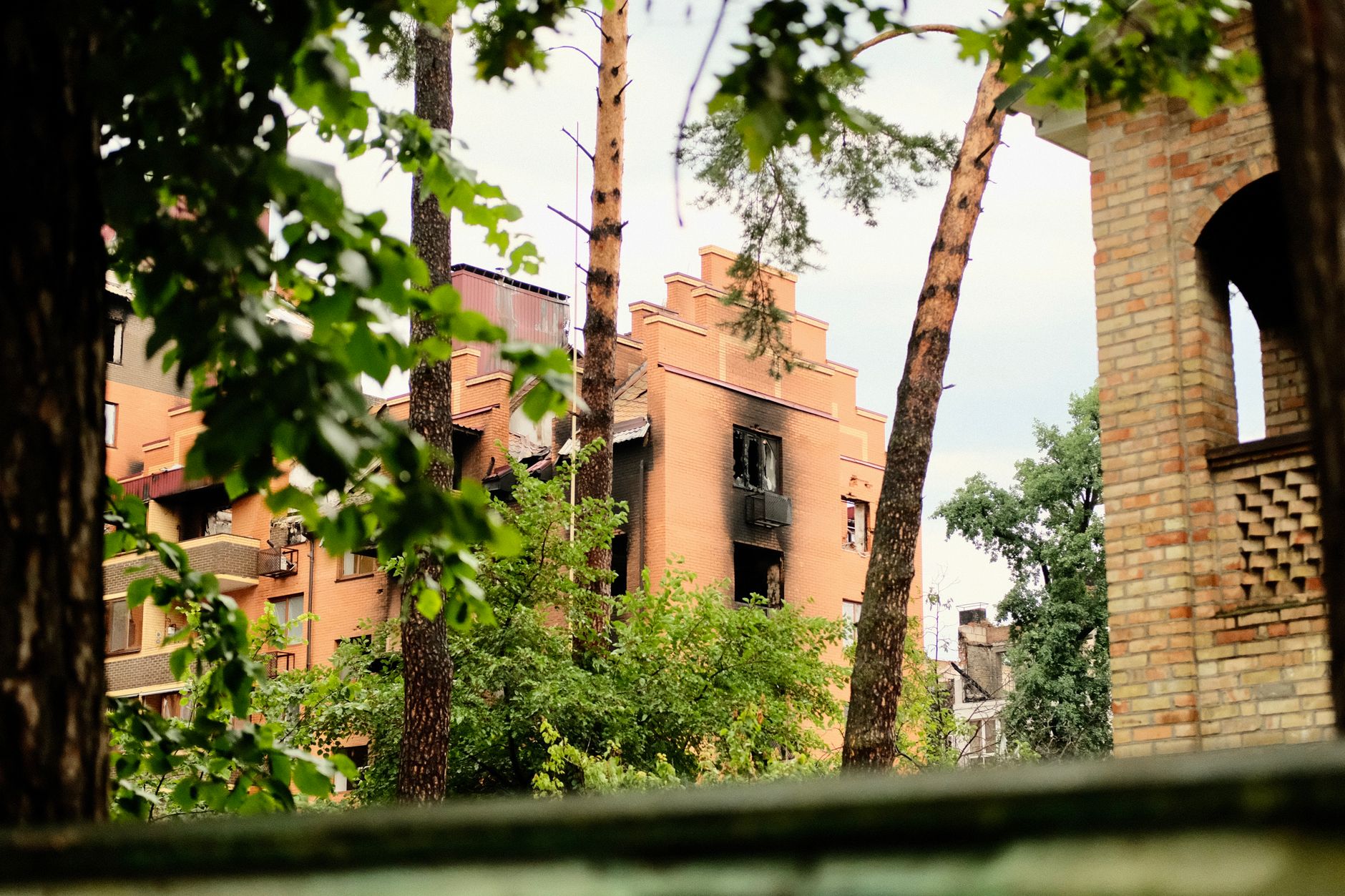
Most homeowners think about fire damage in terms of what burned. But restoration professionals know that visible burn damage is often the smaller part of the problem. Smoke travels through wall cavities, settles into HVAC systems, penetrates soft materials like insulation and carpet, and leaves behind acidic soot that continues to corrode surfaces for days after the fire is out. In Orange County’s mild climate, where homes tend to be well-sealed for energy efficiency, smoke infiltration can be surprisingly deep even in rooms that were never directly exposed to flame.
The Two Types of Damage Working Against You
Fire damage breaks down into two categories: primary damage (direct burn and heat damage to structural components, finishes, and contents) and secondary damage (smoke, soot, and water damage from firefighting efforts). In many residential fires in areas like Garden Grove or Yorba Linda, the secondary damage is actually more extensive than the primary. Firefighting water can saturate subfloors, walls, and insulation — which, if not dried immediately, leads to mold removal becoming a second restoration project on top of the fire work.
Why Smoke Odor Is the Hardest Part to Eliminate
Smoke odor isn’t just unpleasant — it’s a chemical signature of incomplete combustion that embeds itself in porous materials at the molecular level. Painting over soot-stained walls without proper cleaning, or simply airing out a home for a few days, does not remove smoke odor. In most cases the odor returns within weeks, especially in Newport Beach or Huntington Beach homes near the coast, where humidity accelerates reactivation of smoke compounds. Professional smoke odor removal requires a combination of HEPA air scrubbing, thermal fogging, ozone treatment, and in some cases complete removal of affected materials.
The Fire Restoration Steps: A Real Timeline
Understanding the sequence of fire restoration steps helps homeowners set realistic expectations and avoid being surprised by how long the process takes. Here’s what a legitimate, IICRC-certified restoration looks like from day one.
Step 1: Emergency Response and Stabilization (Day 1)
The first priority is making the property safe and preventing further damage. This includes emergency board-up of broken windows and doors, roof tarping if fire penetrated the structure, and securing the perimeter. Water extraction from firefighting efforts begins immediately — delays of even 24 to 48 hours can allow mold to begin developing, which the CDC identifies as a serious health concern. In Orange County, emergency board-up and tarping typically runs $500 to $1,500 depending on the scope.
Step 2: Damage Assessment and Documentation (Days 1–2)
A thorough written and photographic assessment is essential for insurance claims and for scoping the work correctly. IICRC-certified technicians use tools including moisture meters to map water intrusion, thermal imaging cameras to identify hidden heat damage and moisture pockets behind walls, and air quality testing equipment to measure particulate levels. For a mid-sized home in Anaheim or Brea, this documentation phase typically takes four to eight hours and should be completed before any cleaning begins.
Step 3: Content Removal and Pack-Out (Days 2–4)
Salvageable contents — furniture, clothing, documents, electronics — are inventoried and removed for off-site cleaning and storage. This protects items from additional exposure to soot and chemicals used during the restoration process, and it clears the space for structural work. Specialty content cleaning for a typical Orange County home ranges from $2,000 to $8,000 depending on volume and item types.
Step 4: Structural Drying and Soot Removal (Days 3–10)
Commercial dehumidifiers and air movers address water damage to structural components simultaneously with soot cleaning. HEPA air scrubbers run continuously to capture airborne particulates. Soot is chemically active — it’s mildly acidic — and different types of soot (wet, dry, protein-based from kitchen fires) require different cleaning methods and agents. Technicians clean from ceiling to floor in a methodical pattern, treating all surfaces including inside cabinets, ductwork, and wall cavities where accessible. For homes in Irvine or Costa Mesa with tile floors and stucco exteriors, soot removal is often more straightforward than in older Fullerton or Anaheim homes with wood paneling or plaster walls.
Step 5: Smoke Odor Removal (Days 5–14)
Once surfaces are clean and dry, odor neutralization begins. Professional smoke odor removal in Orange County typically involves a combination of thermal fogging (which uses a deodorizing agent that mimics smoke behavior to penetrate where smoke traveled), ozone treatment (which must be done in an unoccupied structure), and hydroxyl generator treatment for situations where occupants or pets need to return sooner. This phase alone can take three to seven days for a thorough result. Attempting to shortcut it with consumer-grade products is one of the most common mistakes homeowners make — and one of the most regrettable.
Step 6: Reconstruction (Weeks 2–8)
Once the structure is clean, dry, and odor-free, rebuilding begins. This may include drywall replacement, framing repair, flooring installation, painting, and fixture replacement. For an average residential fire in Orange County, reconstruction costs range from $15,000 to $60,000+ depending on severity. Your insurance adjuster will be heavily involved at this stage — and the documentation gathered in Step 2 becomes critical to a smooth claims process.
DIY vs. Professional Fire Restoration: An Honest Assessment
There is almost no scenario where DIY fire and smoke damage restoration makes sense for anything beyond a very minor, contained incident — such as a small stove fire with no structural involvement. Here’s why.
What You Can Do
If a small contained fire occurred — a toaster, a small grease fire that was immediately extinguished — homeowners can safely ventilate the space, wipe down non-porous surfaces with a dry sponge designed for soot, and launder fabric items using an odor-neutralizing wash. The EPA provides general guidance on indoor air quality that can help you evaluate whether the space is safe to occupy.
When You Must Call a Professional
Any fire involving structural materials, HVAC exposure, or significant smoke spread requires professional restoration. Soot that enters ductwork will redistribute throughout the home every time the system runs. Without thermal imaging and moisture meters, hidden water intrusion from firefighting will silently develop into a mold problem that compounds the original damage. For Anaheim residents, the cost of attempting DIY restoration and then calling in professionals later is almost always higher than calling professionals first.
Risks of Delaying or Underestimating Fire Restoration
The acidic nature of soot means that every day without treatment accelerates corrosion of metal fixtures, etching of glass, and deterioration of wood finishes. Within 48 to 72 hours, smoke residue begins permanently discoloring grout, tile, and countertops. Within a week, soot corrosion can compromise electrical components and appliances. Within two weeks, secondary mold growth is a near certainty in areas with firefighting water intrusion. Homeowners who wait — often hoping insurance will cover more if damage worsens — typically find that insurers look unfavorably on delayed mitigation, as policyholders have a legal obligation to mitigate ongoing damage after a loss.
National Companies Homeowners Research — And What to Know
When searching for fire restoration help, most Anaheim residents encounter the same national names. It’s worth knowing what each offers.
SERVPRO operates through franchises — quality and response time vary significantly by franchise owner, so local reviews matter. ServiceMaster Restore is similarly franchise-based and has a long track record in commercial restoration. PuroClean positions itself as a boutique alternative to the larger chains with a focus on residential work. BELFOR Property Restoration is one of the largest restoration companies in the world and handles large-loss commercial and residential projects. All of these companies are legitimate options — but for Orange County homeowners who want a locally owned and operated team with direct accountability and no franchise hand-offs, independent IICRC-certified companies like Ready Restore OC offer direct communication with the people actually doing the work.
Why Anaheim and Orange County Homeowners Choose Ready Restore OC
Ready Restore OC is a locally operated restoration company serving all of Orange County, including Anaheim, Irvine, Huntington Beach, Newport Beach, Brea, Fullerton, Garden Grove, Costa Mesa, Yorba Linda, and Santa Ana. Here’s what sets the work apart:
- IICRC-certified technicians in fire, smoke, and water damage restoration
- 24/7 emergency response with same-day board-up and water extraction available
- Advanced equipment including HEPA air scrubbers, thermal imaging cameras, commercial dehumidifiers, and moisture meters
- Complete fire restoration steps from emergency stabilization through reconstruction
- Professional smoke odor removal using thermal fogging, ozone, and hydroxyl treatment
- Direct insurance billing coordination and documentation support
- Full-service water damage restoration when firefighting water intrusion creates secondary moisture problems
- Transparent estimates with no pressure and no hidden fees
If you’re not sure whether your situation requires professional help, request an inspection — there’s no obligation, and knowing what you’re dealing with is always better than guessing.
Frequently Asked Questions
How long does fire restoration take for a typical home in Anaheim?
For a moderate residential fire affecting one to three rooms, the mitigation phase (cleaning, drying, odor removal) typically takes one to three weeks. Full reconstruction can extend the timeline to six to twelve weeks depending on the scope of structural damage and permit requirements in Anaheim. Insurance processing can sometimes add additional time.
Will my homeowner’s insurance cover fire and smoke damage restoration in Orange County?
In most cases, yes — fire and smoke damage is one of the core covered perils in standard homeowner’s insurance policies. However, coverage varies by policy, and carriers expect you to begin mitigation promptly. A professional restoration company can document damage thoroughly and communicate directly with your adjuster to help ensure a fair settlement.
Is it safe to stay in my home during smoke odor removal?
It depends on the treatment method being used. Ozone treatment requires the structure to be completely unoccupied — including pets — for the duration and a ventilation period after. Hydroxyl generator treatment is safe for occupancy. Your restoration contractor should clearly explain which methods are being used and any occupancy restrictions that apply.
Can smoke damage cause long-term health problems?
Yes. The CDC and public health researchers have documented that fine particulate matter and volatile organic compounds from smoke exposure can cause respiratory irritation, aggravate asthma, and pose risks with prolonged exposure. This is one of the strongest reasons not to re-occupy a fire-damaged home until professional air quality standards have been met and verified.
What’s the difference between smoke cleaning and smoke odor removal?
Smoke cleaning refers to physically removing soot and residue from surfaces. Smoke odor removal addresses the chemical compounds that remain embedded in porous materials even after surfaces appear clean. Both steps are necessary — cleaning without odor treatment leaves persistent smell, while odor treatment without proper cleaning first is largely ineffective. Professional fire restoration steps address both in sequence.
Contact Ready Restore OC
Ready Restore OC
2771 Saturn St STE D, Brea, CA 92821
Phone: (714) 464-8246
Email: service@readyrestoreoc.com
Website: https://readyrestoreoc.com