What Really Happens After Flooding in Yorba Linda — and How Long Does Full Restoration Actually Take?
When a storm rolls through the hills of Yorba Linda and water starts pushing through your garage, seeping under your back door, or pouring in through a compromised roof, the first question most homeowners ask isn’t about cost — it’s “How bad is this, and how long before my home is normal again?” The honest answer depends on several factors: how fast you respond, how far the water traveled, what it touched, and whether you hire a crew that knows what they’re doing or try to handle it yourself with fans and hope.
This guide walks through the full arc of flood damage repair in Yorba Linda — from the first call you make in the middle of a storm to the final coat of paint on a restored wall. We’ll cover what the restoration timeline actually looks like, what drives costs up or down in Orange County, when professional help is non-negotiable, and how to evaluate the companies competing for your business. Whether you’ve just experienced flooding or you’re trying to prepare before the next Santa Ana wind event brings unexpected rain, this article will give you a realistic picture of what’s ahead.
Understanding Flood and Storm Damage in Yorba Linda Specifically
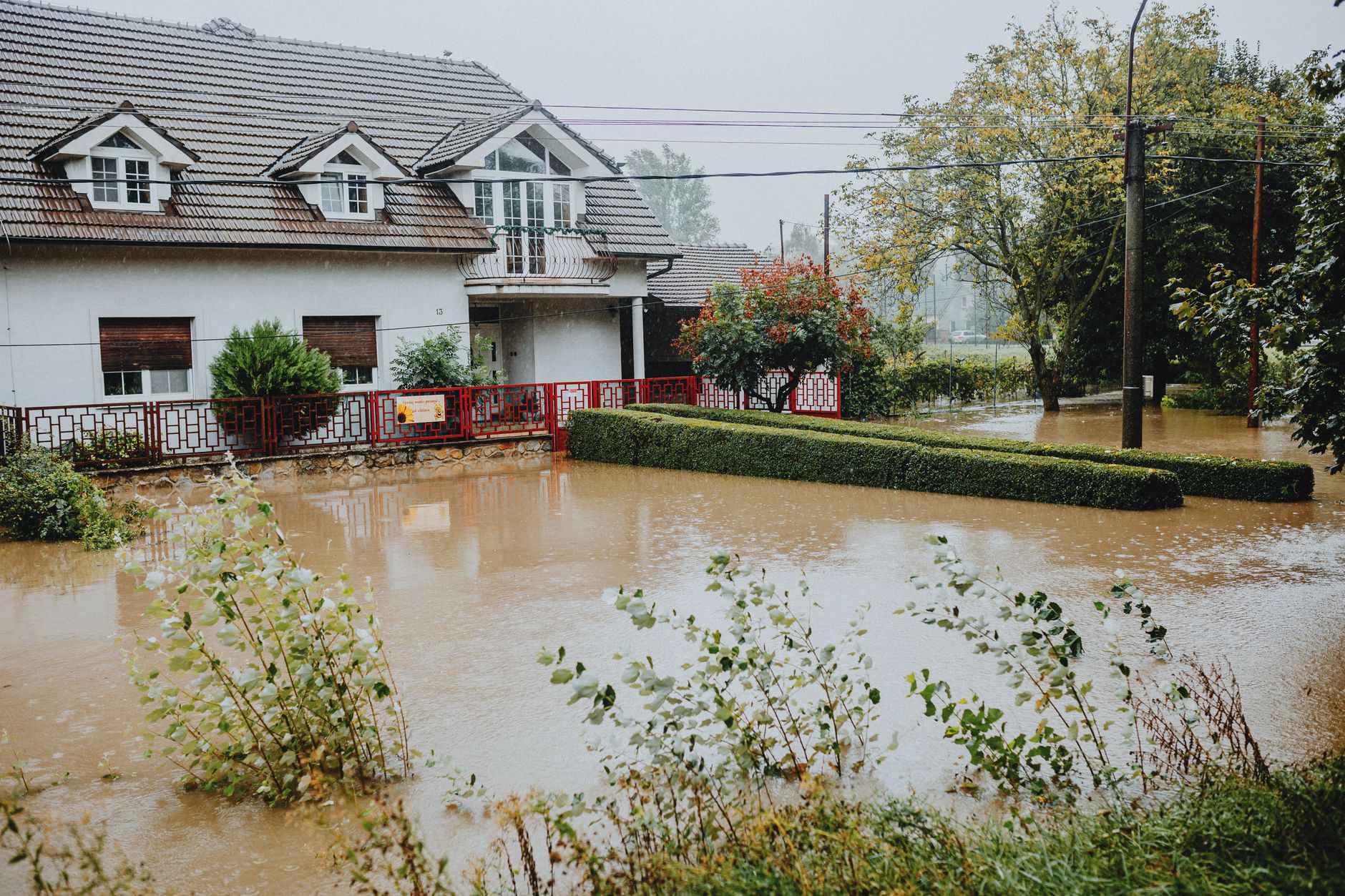
Yorba Linda sits at a higher elevation than coastal cities like Newport Beach or Huntington Beach, but that geography creates its own flood risks. Hillside runoff moves fast during heavy rain events, overwhelming drainage systems and pushing water toward foundations, retaining walls, and low-lying entryways. Homes in older neighborhoods near the Yorba Linda Country Club or along the Esperanza corridor were often built without modern waterproofing standards and are especially vulnerable during atmospheric river events — the kind Southern California has seen more frequently in recent years.
The Three Types of Flooding That Affect OC Homes
Not all flooding is the same, and the restoration approach changes significantly depending on the water source. The IICRC — the industry’s leading certification body for restoration professionals — classifies water intrusion into three categories:
- Category 1 (Clean Water): Broken supply lines, roof leaks from rain hitting a structurally sound roof. Least hazardous, fastest to remediate.
- Category 2 (Gray Water): Washing machine overflow, dishwasher leaks, toilet overflow without feces. Contains contaminants and requires protective protocols.
- Category 3 (Black Water): Sewage backup, floodwater from outside sources including storm runoff. Highly contaminated. Requires full PPE, antimicrobial treatment, and often complete removal of affected porous materials.
Storm flooding in Yorba Linda typically falls into Category 3 territory because outdoor floodwater picks up pesticides, soil bacteria, and street contaminants as it moves. This is not a situation where a shop vac and box fans will get the job done safely.
The Restoration Timeline: What to Expect Week by Week
One of the most common frustrations homeowners in Brea, Fullerton, and Yorba Linda express is that nobody gave them a realistic timeline upfront. Here’s what a professionally managed flood damage restoration actually looks like:
Day 1–2: Emergency Response and Water Extraction
This is the most time-sensitive phase. Standing water needs to be extracted within 24–48 hours to prevent secondary damage and halt the early stages of mold colonization. A professional water damage restoration crew will arrive with truck-mounted extraction units, submersible pumps for deeper standing water, and moisture meters to map exactly where water has traveled — including inside walls, under flooring, and into subfloor assemblies.
Thermal imaging cameras allow technicians to detect moisture trapped behind drywall without tearing it open blindly. This matters because water follows the path of least resistance, and in a Yorba Linda hillside home, that path might lead somewhere unexpected — inside a staircase soffit, beneath a tile shower floor, or into a crawl space you haven’t thought about in years.
Days 2–7: Structural Drying
After extraction, the drying phase begins. Commercial-grade dehumidifiers — far more powerful than anything you’d rent at Home Depot — pull moisture out of the air and materials simultaneously. HEPA air scrubbers run continuously to capture particulates and control airborne contaminants. Technicians return daily to take moisture readings and adjust equipment placement as drying progresses.
Complete structural drying typically takes three to five days in Southern California’s relatively dry climate, though homes with concrete slab foundations or multi-layer flooring assemblies can take longer. Any attempt to skip this phase or declare materials “dry enough” before readings confirm it is one of the most expensive mistakes a homeowner can make — because trapped moisture becomes mold within days.
Days 7–14: Demolition of Unsalvageable Materials
Once drying is confirmed, damaged materials that cannot be restored are removed. This typically includes lower sections of drywall (often cut 12–18 inches above the flood line), saturated insulation, warped hardwood flooring, and compromised baseboards. In Category 3 flooding scenarios, carpet and pad are almost always a complete loss. Technicians apply EPA-registered antimicrobial treatments to framing and subfloor surfaces before reconstruction begins.
Weeks 2–6: Reconstruction
Depending on the scope of damage, reconstruction can be relatively simple (rehanging drywall, repainting, replacing baseboards) or extensive (replacing flooring throughout multiple rooms, rebuilding cabinets, addressing structural elements). In Garden Grove and Santa Ana, where older homes sometimes have plaster walls or original hardwood, reconstruction timelines stretch toward the longer end. Most residential flood restoration projects in Orange County are completed within three to six weeks when managed efficiently.
What Does Flood Damage Repair Cost in Orange County?
Costs vary significantly based on the category of water, square footage affected, and materials involved. Here are realistic figures for the Orange County market:
- Water extraction and emergency response: $1,500–$4,000 depending on volume and access
- Structural drying (equipment and daily monitoring): $1,200–$3,500 for a typical 5-day dry
- Mold remediation (if present): $2,500–$8,000+ depending on spread — see our mold removal services for more detail
- Demolition and debris removal: $800–$2,500
- Full reconstruction (flooring, drywall, paint, trim): $5,000–$25,000+ for significant damage
Most homeowner insurance policies cover sudden and accidental flooding from storm damage, but coverage for groundwater flooding typically requires a separate NFIP (National Flood Insurance Program) policy. Document everything with photos and video before work begins, and make sure your restoration contractor provides a detailed line-item estimate that your adjuster can work from.
DIY vs. Professional Flood Restoration: Where the Line Is
There are tasks homeowners can reasonably handle: moving furniture out of affected rooms, removing standing items from flooring, photographing damage for insurance. Beyond that, the risks of DIY escalate quickly.
Why Going DIY on Storm Flood Damage Is a Dangerous Bet
Consumer-grade dehumidifiers cannot dry structural assemblies. They manage ambient humidity — they don’t extract moisture from inside a 2×4 or a concrete subfloor. The EPA recommends professional remediation whenever mold covers more than 10 square feet, and in flooding scenarios, you often don’t know how much mold is present until you open the walls. The CDC has documented significant respiratory and health risks associated with mold exposure during cleanup, particularly for children, elderly individuals, and anyone with compromised immune systems.
Beyond mold, Category 3 floodwater carries pathogens that require appropriate PPE and handling procedures. Homeowners who wade into contaminated water without protection or attempt to dry contaminated materials in place risk serious health consequences and may create a disclosure liability when they eventually sell the home.
National Companies vs. Local Specialists: What Orange County Homeowners Should Know
When disaster hits, many Yorba Linda and Anaheim homeowners immediately search for names they recognize — SERVPRO, ServiceMaster, PuroClean, and BELFOR all appear prominently in national advertising. These are legitimate, large-scale operations with standardized training and wide franchisee networks. For large commercial losses or situations requiring extreme logistical coordination across multiple states, their infrastructure can be an advantage.
However, franchise operations in densely populated Southern California markets often face significant capacity constraints during regional storm events — exactly when demand is highest. Response times can stretch beyond the critical 24-hour window, and work may be assigned to subcontractors rather than in-house crews. Local, owner-operated companies with their own equipment and technicians frequently outperform franchise networks during high-demand periods precisely because they aren’t managing dispatch queues across 50+ zip codes simultaneously.
The standard to look for regardless of company size is IICRC certification — specifically the Water Damage Restoration Technician (WRT) and Applied Structural Drying (ASD) credentials. These certifications indicate that technicians have been trained in the science of drying, not just the mechanics of moving equipment.
Why Orange County Homeowners Choose Ready Restore OC
Ready Restore OC is a locally owned and operated restoration company based in Brea, serving Yorba Linda, Fullerton, Anaheim, Irvine, Costa Mesa, and communities throughout Orange County. Our technicians hold IICRC certifications in water damage restoration, applied structural drying, and mold remediation. We run our own equipment — no subcontractors, no hand-offs — and we respond 24/7 because flooding doesn’t follow business hours.
- 24/7 emergency response with guaranteed rapid arrival in Yorba Linda and surrounding cities
- IICRC-certified WRT and ASD technicians on every job
- Thermal imaging and moisture mapping included in every assessment
- Commercial dehumidifiers, HEPA air scrubbers, and truck-mounted extraction — all in-house
- Full-scope services from emergency extraction through reconstruction — one point of contact
- Direct insurance billing and adjuster coordination
- Transparent, line-item estimates with no hidden fees
- Serving Yorba Linda, Brea, Fullerton, Anaheim, Irvine, Newport Beach, Huntington Beach, Garden Grove, Costa Mesa, and Santa Ana
If you’ve experienced flooding or storm damage and aren’t sure what you’re dealing with, request an inspection — we’ll assess the situation honestly and give you a clear picture before any work begins.
Frequently Asked Questions About Flood Damage Repair in Yorba Linda
How quickly does mold grow after flooding in a home?
Mold can begin to colonize on wet porous materials within 24 to 48 hours under typical Southern California conditions. The warm temperatures that make Orange County pleasant year-round also accelerate mold growth, which is why extraction and drying within the first day or two is so critical after any flooding event.
Will my homeowner’s insurance cover flood damage from a storm?
Standard homeowner’s insurance policies in California typically cover sudden water intrusion caused by storm damage to the structure — such as a compromised roof — but generally exclude groundwater flooding or water that enters from the ground up. If your home flooded because of storm runoff or rising water, you may need to file under a separate flood insurance policy. Document all damage thoroughly before cleanup begins and contact your insurer as soon as possible.
Is it safe to stay in my home during the drying and restoration process?
It depends on the extent of the damage and the category of water involved. For Category 3 (contaminated) flooding, temporary relocation is strongly recommended, especially for households with children, elderly residents, or anyone with respiratory conditions. Even in less severe cases, industrial drying equipment runs continuously and creates significant noise and airflow disruption. Your restoration contractor should give you an honest recommendation based on conditions in your specific home.
How do I know if a restoration company is actually qualified?
Look for IICRC certification — specifically the WRT (Water Damage Restoration Technician) and ASD (Applied Structural Drying) designations. Ask whether the crew showing up at your door are employees or subcontractors, and request a written scope of work with moisture readings documented before and after drying. A qualified company will have no hesitation providing this information upfront.
How long will I be displaced from my home during a major flood restoration?
For moderate flood damage affecting one to two rooms, most homeowners can remain in place during drying and reconstruction. For significant damage — multiple rooms, structural materials affected, or Category 3 contamination — displacement of two to four weeks is common. Your insurance policy’s “loss of use” coverage typically pays for temporary housing during this period, so review your policy limits early in the process.
Contact Ready Restore OC
Ready Restore OC
2771 Saturn St STE D, Brea, CA 92821
Phone: (714) 464-8246
Email: service@readyrestoreoc.com
Website: https://readyrestoreoc.com