What Should You Do to Prevent Mold After a Water Leak in Your Orange County Home?
If you’ve recently dealt with a burst pipe, a slow plumbing leak, or flooding from a storm drain backup, the real danger isn’t the water itself — it’s what grows in the 24 to 48 hours after the water stops. Mold can begin colonizing wet drywall, subfloor, insulation, and wood framing faster than most homeowners realize, and in Orange County’s climate, that window is even shorter than it might be elsewhere. Whether you’re in a Yorba Linda hillside home, a coastal condo in Newport Beach, or a mid-century bungalow in Santa Ana, understanding what to do immediately after a leak can be the difference between a minor repair bill and a full-scale remediation project.
This guide walks you through everything you need to know about mold prevention after a water leak — from the DIY steps you can safely handle yourself to the warning signs that tell you it’s time to call a certified professional. We’ll cover how mold spreads, what conditions accelerate growth in Southern California, how much remediation typically costs, and why acting within the first day or two is non-negotiable. We’ll also be transparent about your options, including what national restoration companies offer, so you can make the most informed decision for your home and family.
Why Water Leaks and Mold Go Hand in Hand in Orange County
How Mold Gets Started After a Leak
Mold is not an outside invader — its spores are already present in virtually every indoor environment. What it needs to activate and multiply is moisture, an organic food source (drywall paper, wood, carpet), and time. The EPA recommends beginning cleanup and drying within 24 to 48 hours of a water intrusion to prevent mold growth. Miss that window, and what was a water damage problem becomes a mold problem — and those two issues require very different solutions.
In cities like Irvine, Huntington Beach, and Costa Mesa, where newer construction uses a lot of drywall-heavy framing, even a slow leak behind a bathroom wall can saturate materials that won’t dry on their own. Unlike concrete or ceramic tile, drywall acts like a sponge, wicking moisture upward and outward. By the time you notice a stain or a musty smell, mold colonies may already be well established behind the surface.
Orange County’s Climate Makes It Worse
Many people assume Southern California’s dry heat protects homes from mold. In reality, OC’s microclimates — especially coastal zones in Laguna Beach, Newport Beach, and Seal Beach — maintain enough ambient humidity to support mold growth when combined with any interior moisture source. Inland areas like Anaheim and Fullerton experience heat spikes that can drive moisture deeper into building materials before it evaporates. The result is that mold prevention after a leak requires active drying, not just opening a few windows.
Immediate DIY Steps to Prevent Mold After a Water Leak
Step 1: Stop the Source and Document Everything
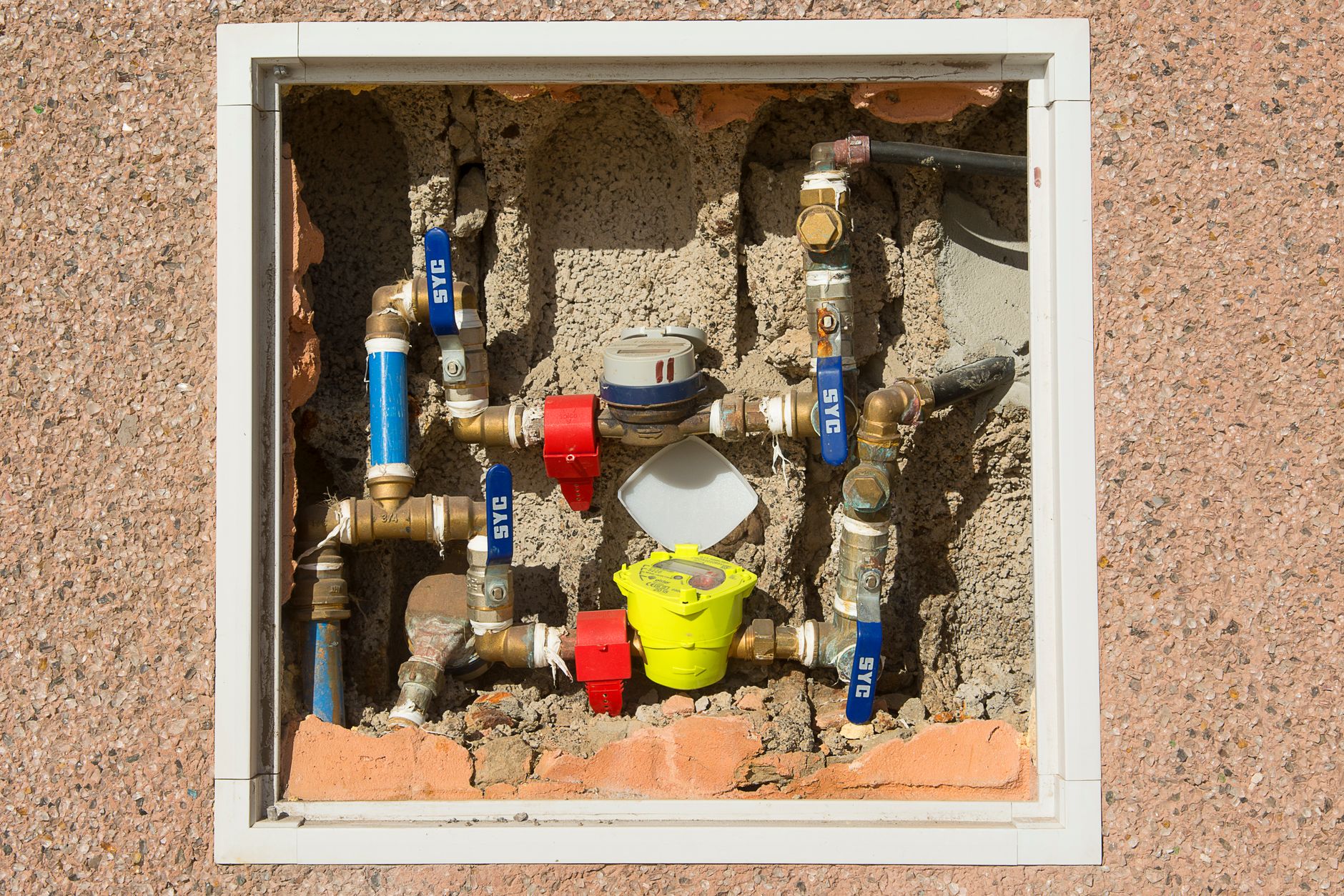
Before anything else, stop the water. Shut off the supply valve to the affected fixture, or turn off the main water supply if necessary. Then photograph and video everything — wet floors, water stains, damaged materials, and any visible mold. This documentation is essential for your homeowner’s insurance claim and will help a remediation professional assess the full scope of the damage when they arrive. Homeowners in Brea and Garden Grove who have filed successful insurance claims almost universally cite thorough documentation as the key factor.
Step 2: Remove Standing Water Immediately
Use a wet/dry vacuum to extract standing water. Do not let it sit. Every hour water remains pooled on a floor increases the depth of saturation in subfloor materials. If you don’t own a wet/dry vac, most hardware stores in Orange County rent them for around $40 to $60 per day. Mop up what the vacuum misses and remove any saturated rugs or bath mats — these cannot dry effectively while lying flat on the floor and will become mold sources within 24 to 48 hours.
Step 3: Ventilate and Begin Drying
Open windows and doors if outdoor humidity is low. Run every fan you own, pointing airflow across wet surfaces. If you have a portable dehumidifier, run it continuously and empty the collection tank every few hours. The goal is to drop the relative humidity in the affected space below 50 percent as quickly as possible. For reference, the CDC recommends keeping indoor humidity between 30 and 50 percent to inhibit mold growth.
Be aware that standard household fans and consumer-grade dehumidifiers are often insufficient for a significant water intrusion. A single room-size leak may require multiple days of continuous mechanical drying even with proper equipment — which is one reason professional water damage restoration services exist.
Step 4: Remove and Bag Saturated Materials
Carpet, carpet pad, drywall, and insulation that have been saturated for more than 24 hours should generally be removed. These materials cannot be effectively dried in place and will harbor mold even if the surface appears dry. Bag them in heavy plastic before moving them through the house to avoid spreading spores. If you’re uncertain whether drywall is wet inside, press on it — if it flexes, feels soft, or shows bubbling paint, it’s saturated.
Step 5: Apply an Antimicrobial Treatment
After surfaces are clean and as dry as possible, apply an EPA-registered antimicrobial solution to affected areas. Products like Concrobium Mold Control or similar antifungal sprays are available at most hardware stores in Orange County. These don’t replace proper drying, but they can inhibit spore activation on surfaces that were wet and are now drying. Follow all label directions and allow adequate ventilation.
When DIY Isn’t Enough: Signs You Need a Professional
Visible Mold Beyond a Small Area
The EPA’s guideline is clear: mold growth covering more than 10 square feet warrants professional remediation. If you’re seeing black, green, or white fuzzy growth — or if you can smell mold but can’t locate its source — you need a certified inspector and remediator. Hidden mold in wall cavities, under flooring, or inside HVAC systems is extremely common after leaks in Irvine townhomes and Anaheim older tract houses, and it cannot be addressed with household cleaning products alone.
Structural or Concealed Water Damage
If the leak originated inside a wall, under a slab, or in the ceiling, DIY drying is not realistic. Professionals use tools like thermal imaging cameras to locate moisture behind walls without destructive opening, and calibrated moisture meters to confirm when materials have reached acceptable dryness levels. These are not tools the average homeowner has access to, and guessing at dryness is one of the most common causes of hidden mold problems that surface months later.
Anyone in the Home Has Asthma, Allergies, or Immune Vulnerabilities
If children, elderly residents, or anyone with respiratory conditions lives in your home, do not attempt to handle significant mold contamination yourself. Disturbing mold colonies without proper containment releases spores into the air at concentrations far higher than baseline — a genuine health risk. Professional mold removal teams establish negative air pressure containment barriers and use HEPA air scrubbers to capture airborne spores during the remediation process.
What Professional Mold Remediation Actually Involves
Equipment and Techniques Used by Certified Technicians
Restoration professionals certified by the IICRC (Institute of Inspection, Cleaning and Restoration Certification) bring a level of precision that consumer-grade solutions can’t match. A professional remediation team will typically deploy commercial-grade dehumidifiers capable of removing 30 to 70 gallons of moisture per day from a structure — compared to a portable unit that might remove 1 to 2 gallons. HEPA air scrubbers run continuously during work to capture airborne spores, and thermal imaging cameras allow technicians to map hidden moisture without unnecessary demolition.
The IICRC’s S520 standard governs mold remediation practices, and companies adhering to it follow a protocol that includes scope documentation, containment setup, controlled demolition of unsalvageable materials, antifungal treatment, clearance testing, and final verification. This systematic approach is what separates true remediation from simply painting over a problem.
How Much Does Professional Remediation Cost in Orange County?
Costs vary widely depending on the scope of contamination, the materials affected, and access difficulty. For a small, contained mold issue — such as a bathroom ceiling or a section of drywall under a sink — Orange County homeowners typically pay between $500 and $1,500. Mid-range jobs involving wall cavities or subfloor materials commonly run $2,000 to $6,000. Extensive contamination involving HVAC systems, multiple rooms, or structural framing can reach $10,000 or more. These figures reflect Southern California labor rates and the cost of proper containment, disposal, and post-remediation verification.
Other Restoration Companies Homeowners Research
When searching for mold help after a leak, many Orange County homeowners encounter well-known national franchise brands. It’s worth understanding what each offers so you can make a fully informed choice.
SERVPRO and ServiceMaster Restore are large franchise networks with locations throughout Orange County. Their scale means wide availability, but quality can vary significantly by individual franchise owner. PuroClean markets itself as a more personalized alternative to the larger franchises and has locations serving parts of OC. BELFOR Property Restoration is a large commercial and residential operator often called in for significant losses involving insurance carriers. All of these are legitimate options for large-scale disasters. For homeowners who want a locally rooted team with direct accountability, a company like Ready Restore OC — based in Brea and serving all of Orange County — often provides more consistent communication and faster on-site response for residential jobs.
Why Orange County Homeowners Choose Ready Restore OC
- IICRC-certified water damage and mold remediation technicians
- Thermal imaging and moisture mapping included in assessments
- Commercial dehumidifiers and HEPA air scrubbers deployed on every job
- Serving Irvine, Anaheim, Fullerton, Brea, Yorba Linda, Newport Beach, Huntington Beach, Costa Mesa, Garden Grove, Santa Ana, and surrounding communities
- Direct insurance coordination and documentation support
- Transparent pricing with written estimates before work begins
- 24/7 emergency response for active leaks and flooding
- Post-remediation clearance testing to verify results
If you’re unsure whether your situation requires professional help, the best first step is an inspection. You can request an inspection from our team and get a professional assessment of your home’s moisture and mold risk with no obligation.
Frequently Asked Questions
How quickly does mold grow after a water leak?
Mold can begin growing within 24 to 48 hours of a water intrusion under the right conditions — particularly in warm environments with organic materials present. In Orange County, where temperatures are generally mild to warm year-round, this timeline is rarely extended. Acting immediately after a leak is always the right call.
Can I use bleach to kill mold after a leak?
Bleach can kill surface mold on non-porous materials like tile or glass, but it is not effective on porous materials like drywall or wood, where mold grows into the material itself. The EPA does not recommend bleach as a primary mold remediation solution for building materials. Proper removal of affected materials combined with antimicrobial treatment and professional drying is a more reliable and lasting approach.
Will my homeowner’s insurance cover mold remediation after a pipe leak?
Most standard homeowner’s insurance policies in California cover mold remediation if it results directly from a sudden and accidental water event — like a burst pipe — but not from gradual leaks or long-term neglect. Coverage limits for mold vary by policy, often capped between $5,000 and $10,000. Always contact your insurer promptly and document all damage before beginning cleanup.
How do I know if there’s mold inside my walls after a leak?
Common indicators include a persistent musty odor that doesn’t resolve after drying, visible staining or discoloration on drywall surfaces, peeling or bubbling paint, and unexplained allergy or respiratory symptoms among household members. A professional moisture assessment using thermal imaging and a moisture meter can confirm hidden mold growth without unnecessary demolition.
Is mold testing necessary before remediation?
Pre-remediation mold testing is not always required, but it can be valuable when the extent of contamination is unclear or when there are health concerns driving the investigation. Post-remediation clearance testing, on the other hand, is strongly recommended to confirm that remediation was successful. The IICRC and organizations like the AIHA (American Industrial Hygiene Association) provide standards that guide when testing is appropriate.
Contact Ready Restore OC
Ready Restore OC
2771 Saturn St STE D, Brea, CA 92821
Phone: (714) 464-8246
Email: service@readyrestoreoc.com
Website: https://readyrestoreoc.com