Sewage Backup in Your Huntington Beach Home: What Are the Real Health Risks and What Does Professional Cleanup Actually Involve?
Few home emergencies are as alarming — or as dangerous — as a sewage backup. When raw sewage floods a bathroom, laundry room, or crawl space, Huntington Beach homeowners are not just dealing with a mess — they are dealing with a serious biohazard that can threaten the health of everyone in the household. Unlike a burst pipe or a minor roof leak, sewage contamination carries bacteria, viruses, and parasites that can cause life-threatening illness if not handled correctly. This article breaks down exactly what you are facing, what professional remediation involves, and how to make smart decisions fast.
Sewage backup events happen more often in Orange County than most homeowners realize. Aging municipal sewer lines in cities like Garden Grove and Santa Ana, root intrusion in older neighborhoods in Fullerton and Anaheim, and heavy rain events that overwhelm drainage systems in coastal areas like Huntington Beach and Newport Beach all contribute to the problem. Whether you have two inches of backflow in a utility closet or a full basement event, the steps you take in the first few hours determine how extensive — and expensive — the damage becomes.
What Is Category 3 Water and Why Does It Matter?
The restoration industry classifies water damage into three categories based on contamination level. Category 1 is clean water from a supply line. Category 2 — often called gray water — contains some contaminants. Category 3, also known as black water, is the most dangerous classification, and sewage backup falls squarely into this category every time.
The IICRC (Institute of Inspection, Cleaning and Restoration Certification), the industry’s leading standards body, defines Category 3 water as grossly contaminated water that contains pathogenic, toxigenic, or other harmful agents. This includes raw sewage, flooding from rivers or streams, and water that has been sitting long enough to become heavily contaminated. Once you are dealing with Category 3 water in your Huntington Beach home, the rules change entirely — for your safety and for the remediation process.
What Pathogens Are Present in Sewage Backups?
Raw sewage contains a wide range of harmful microorganisms. Common bacterial threats include E. coli, Salmonella, and Leptospira. Viral hazards include hepatitis A and norovirus. Parasitic organisms like Cryptosporidium and Giardia are also frequently present. The CDC notes that exposure to sewage contamination can cause gastrointestinal illness, skin infections, respiratory issues, and in vulnerable populations, far more serious complications. Children, the elderly, and anyone immunocompromised face heightened risk.
How Quickly Does Sewage Contamination Spread?
Within hours of a backup event, contaminated water wicks into drywall, subfloor materials, insulation, and wood framing. Porous materials absorb pathogens deeply, making surface cleaning useless without full structural assessment. Mold — which thrives in the nutrient-rich environment sewage creates — can begin growing within 24 to 48 hours, adding a secondary hazard on top of the original contamination. This is why the clock matters so much after a sewage event in your home.
Sewage Backup Cleanup Costs in Orange County
Homeowners in Huntington Beach, Irvine, and Costa Mesa frequently ask how much professional sewage cleanup costs. The honest answer is that it depends on the scope of the damage, but here are realistic figures for Southern California.
Typical Cost Ranges
For a small, contained backup affecting a single bathroom or utility room with minimal structural damage, cleanup costs in Orange County typically range from $3,000 to $6,000. Mid-range events involving subfloor damage or contamination spread into adjacent rooms often run $6,000 to $15,000. Large-scale events — especially those involving crawl spaces, multiple rooms, or delayed response — can exceed $20,000 to $30,000 when structural drying, material removal, and mold remediation are factored in. These figures reflect the higher labor and disposal costs in Orange County compared to national averages.
Does Homeowner’s Insurance Cover Sewage Backup?
Standard homeowner’s insurance policies in California often exclude sewage backup unless you have a specific rider or endorsement. Many Yorba Linda and Brea homeowners discover this only after a loss. It is worth calling your insurance agent before any emergency occurs. That said, professional remediation companies like Ready Restore OC can work directly with your insurance adjuster and provide the documentation needed to support your claim if coverage does apply.
DIY vs. Professional Sewage Cleanup: An Honest Assessment
Some homeowners, particularly in Fullerton and Anaheim where older homes are common, consider handling minor sewage backups themselves to save money. This is understandable, but it comes with serious risks that are worth understanding clearly before you grab a mop.
When DIY Is Not Appropriate
Any sewage event involving Category 3 water — which is all of them — requires proper personal protective equipment at minimum: N95 respirators, chemical-resistant gloves, eye protection, and disposable coveralls. Beyond personal safety, the real issue is what you cannot see. Without a moisture meter, thermal imaging camera, or air quality testing, it is impossible to confirm that contaminated water has not migrated into wall cavities, under flooring, or into your HVAC system. Cleaning what is visible and calling it done can leave pathogens and moisture trapped inside your structure, creating conditions for dangerous mold growth. Comprehensive water damage restoration requires equipment and training that go far beyond what a homeowner can reasonably deploy.
What Professionals Can Do That Homeowners Cannot
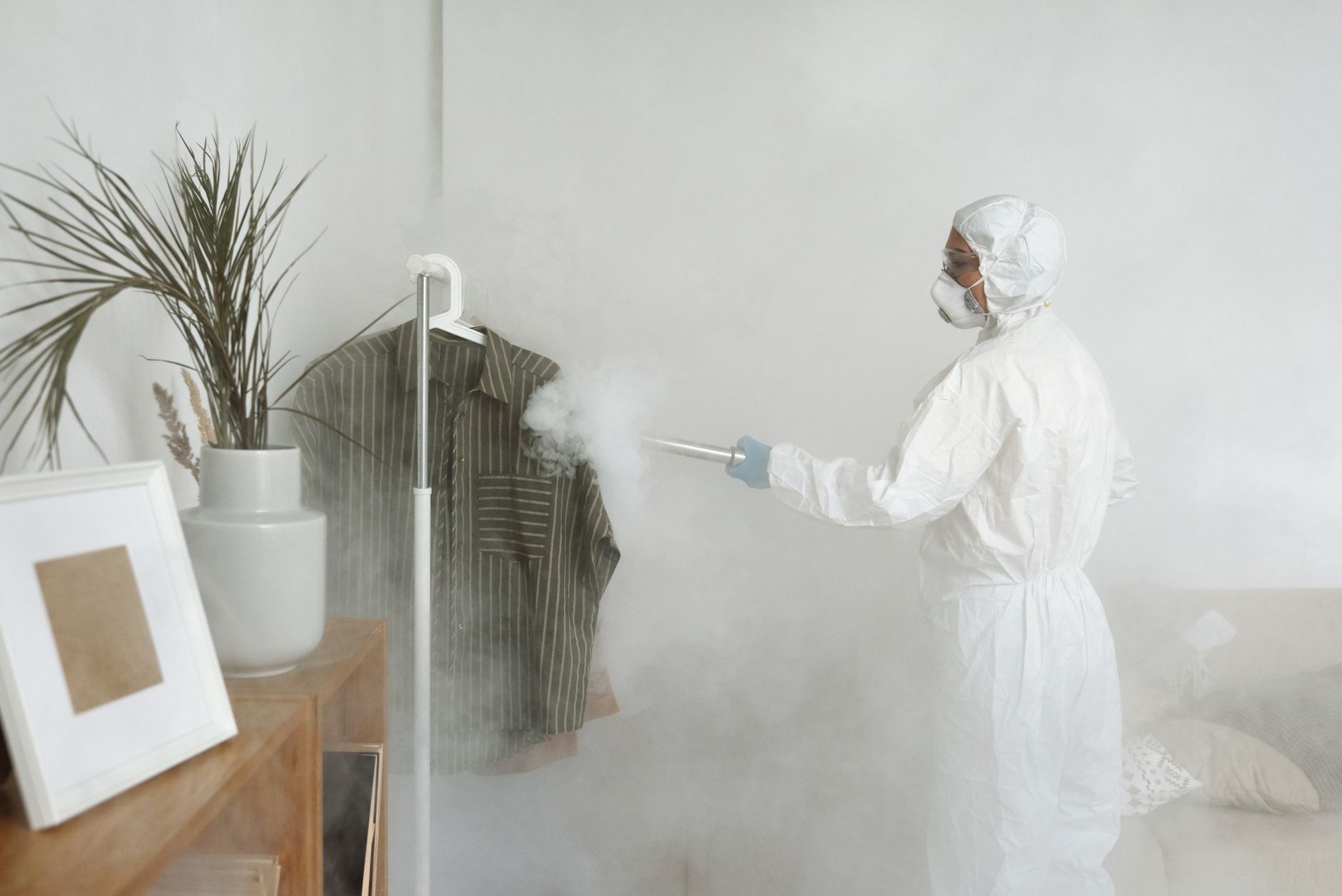
IICRC-certified technicians follow a documented, standard-of-care protocol that starts with containment and ends with third-party verification of cleanliness. They use HEPA air scrubbers to capture airborne pathogens during the cleanup process, commercial dehumidifiers that remove far more moisture per hour than consumer units, thermal imaging cameras to identify hidden moisture pockets behind walls and under floors, and moisture meters to confirm structural materials have returned to acceptable dryness levels before any reconstruction begins. They also handle regulated disposal of contaminated materials in compliance with California Department of Public Health guidelines.
Risks of Ignoring Sewage Damage or Delaying Response
Delaying professional response to a sewage backup — even by 24 to 48 hours — substantially increases both the health risks and the remediation costs. Here is what typically happens in homes where cleanup is delayed or handled inadequately.
Secondary Mold Contamination
Sewage provides an ideal growth medium for mold. In Orange County’s moderate humidity, mold colonies can establish within 48 hours in contaminated subfloor and wall framing. Once mold is present, the project scope expands significantly — requiring not just sewage remediation but full mold removal protocols that include additional containment, HEPA vacuuming, antimicrobial treatment, and post-remediation air testing. The EPA recommends that any mold growth larger than ten square feet be handled by a professional.
Structural Deterioration
Wood subfloor and framing that remains wet and contaminated will begin to soften and lose structural integrity. What could have been a flooring replacement becomes a subfloor replacement. In crawl-space homes — common in older Huntington Beach and Costa Mesa neighborhoods — the damage can extend into structural beams if moisture is not addressed promptly.
National Restoration Companies Homeowners Often Research
When facing a sewage emergency, many Orange County homeowners search for names they recognize. Companies like SERVPRO, ServiceMaster Restore, PuroClean, and BELFOR Property Restoration are all legitimate national brands with franchise operations throughout Southern California. These companies have strong brand recognition and standardized processes, and they are worth knowing about.
That said, many homeowners in Huntington Beach, Irvine, and Newport Beach ultimately prefer working with a locally owned company that is embedded in the Orange County community, answers their own phones, and dispatches technicians who are familiar with local building codes, municipal sewer systems, and the specific climate and construction patterns of OC homes. Responsiveness and direct communication often tip the decision toward a local specialist for something as urgent and stressful as sewage remediation.
Why Orange County Homeowners Choose Ready Restore OC
Ready Restore OC is a locally owned, IICRC-certified restoration company serving all of Orange County — from Huntington Beach and Newport Beach on the coast to Yorba Linda, Brea, and Fullerton inland. Here is what homeowners get when they call us for sewage backup cleanup:
- 24/7 emergency response — Our team is available around the clock because sewage events do not follow business hours
- IICRC-certified technicians trained in Category 3 water remediation protocols
- Advanced equipment including HEPA air scrubbers, commercial dehumidifiers, thermal imaging cameras, and calibrated moisture meters
- Full containment and biohazard removal in compliance with California regulations
- Insurance coordination — We work directly with your adjuster and provide complete documentation
- Mold prevention and remediation services integrated into the restoration process when needed
- Transparent communication — You know what we are doing, why, and what it will cost before work begins
- Service throughout Orange County — Huntington Beach, Costa Mesa, Irvine, Anaheim, Garden Grove, Santa Ana, Newport Beach, Fullerton, Yorba Linda, and Brea
If you are unsure about the extent of damage in your home, the smartest first step is to request a professional inspection before the situation worsens.
Frequently Asked Questions About Sewage Backup Cleanup
Is it safe to stay in my home after a sewage backup?
It depends on the size and location of the event. A small, contained backup in a single bathroom that is immediately addressed may not require you to leave if you can avoid the affected area. However, a larger event involving significant square footage, HVAC contamination, or airborne pathogen risk often warrants temporarily relocating — especially if children, elderly residents, or immunocompromised individuals are in the home. A professional assessment will clarify your situation quickly.
How long does sewage cleanup take?
The initial extraction, removal of contaminated materials, and application of antimicrobial treatments typically take one to three days for a moderate-sized event. Structural drying — which must be verified with moisture meters before reconstruction — usually takes an additional three to five days. Total project duration from cleanup to completed repairs can range from one week to three weeks depending on the extent of damage and material replacement required.
Can sewage backup cause mold even if I clean it up quickly?
Yes — if moisture remains trapped inside walls, under flooring, or in subfloor materials after the visible cleanup, mold growth is likely regardless of how thorough the surface cleaning appeared. This is one of the most important reasons professional moisture verification matters. Equipment like thermal imaging cameras and moisture meters detect hidden dampness that is invisible to the naked eye and that standard household cleaning cannot address.
What should I do immediately after discovering a sewage backup?
Avoid the affected area, do not use any plumbing in the home until the source is identified and stopped, and call a professional remediation company right away. If the backup is coming from a municipal line, also report it to your local water utility. Do not attempt to clean up raw sewage without proper protective equipment, and avoid running fans or your HVAC system, which can spread contaminated air throughout the home.
Will my homeowner’s insurance pay for sewage backup cleanup in California?
Standard California homeowner’s insurance policies typically do not cover sewage backup unless you have purchased a specific sewer or water backup endorsement. Review your policy carefully and call your agent as soon as possible after the event. A professional restoration company can provide the detailed documentation — photos, moisture readings, scope of damage — that supports your claim if you do have applicable coverage.
Contact Ready Restore OC
Ready Restore OC
2771 Saturn St STE D, Brea, CA 92821
Phone: (714) 464-8246
Email: service@readyrestoreoc.com
Website: https://readyrestoreoc.com