What’s Really Happening Under Your Floors? How Orange County Pros Detect and Fix Hidden Water Damage
You notice a soft spot near your kitchen sink. A section of hardwood has started to buckle near the bathroom door. Your tile grout looks discolored, and there’s a faint musty smell you can’t trace. The real question most Orange County homeowners face isn’t whether something is wrong — it’s how bad the damage beneath their flooring has already become by the time they notice it. Subfloor damage from moisture is one of the most underestimated problems in residential and commercial properties throughout the region, precisely because it hides so well.
This article breaks down exactly how water gets under flooring, how trained technicians find it without tearing your home apart, what it costs to fix, and when calling a professional becomes non-negotiable. Whether you own a 1970s ranch-style home in Anaheim, a newer build in Irvine, or a coastal property in Newport Beach or Huntington Beach, understanding what’s happening beneath your feet could save you tens of thousands of dollars — and protect your family’s health.
How Water Gets Under Flooring in the First Place
Moisture beneath hardwood, tile, laminate, and vinyl doesn’t always come from a dramatic flood. In many homes across Orange County, the damage accumulates slowly and invisibly over months or even years.
Common Sources of Subfloor Moisture
- Slow plumbing leaks — A pinhole leak under a kitchen or bathroom sink can drip for months before surface damage becomes visible. Homes in older neighborhoods like Garden Grove and Santa Ana, with aging copper or galvanized pipe, are especially vulnerable.
- Appliance failures — Dishwashers, refrigerators with ice makers, and washing machines are among the most common culprits. A supply line failure can dump gallons of water under a floor in minutes.
- Slab leaks — Orange County sits on a network of aging water mains and residential supply lines running beneath concrete slabs. When these fail, water migrates upward through the slab and saturates the subfloor from below.
- Roof and window leaks — Water that enters through a failing roof membrane or deteriorated window flashing in a multi-story home can travel along framing members and collect beneath upper-floor finishes.
- HVAC condensation — In the warmer months, improperly installed or poorly maintained air handlers can generate significant condensation. Homes in Yorba Linda and Brea with attic-mounted air handlers are particularly susceptible.
Why Subfloor Damage Progresses Silently
Floor coverings act as a lid. Hardwood, tile with impermeable grout, and vinyl sheeting all trap moisture against the subfloor material beneath them. In most Orange County homes, that subfloor is either plywood or OSB (oriented strand board), both of which absorb water readily and begin to swell, delaminate, and rot with prolonged exposure. What starts as a 2% moisture elevation above normal can, within weeks, reach saturation levels that cause structural compromise and create the conditions the EPA identifies as favorable for mold colonization.
How Professionals Detect Moisture Beneath Flooring
One of the biggest advantages of working with water damage restoration professionals is their access to diagnostic equipment that can locate and quantify moisture without demolition.
Moisture Meters
Pin-type and pinless moisture meters are the frontline tool in any water damage assessment. Technicians use pinless meters to scan large surface areas quickly, then confirm readings with pin meters that measure moisture content at specific depths. Normal wood subfloor material should read between 6% and 12% moisture content. Readings above 16% indicate active moisture intrusion; readings above 25% signal conditions where structural damage and mold growth are nearly certain. A thorough inspection of a 1,500-square-foot home typically involves dozens of readings mapped across a floor plan.
Thermal Imaging Cameras
Infrared thermal imaging cameras detect temperature differentials across floor and wall surfaces. Because wet materials hold temperature differently than dry materials, thermal cameras can reveal the outline of moisture intrusion even when the surface appears completely dry. This technology is particularly useful in tile-floored areas, where moisture trapped beneath a tile field is otherwise impossible to detect without removing tile. Certified technicians in Costa Mesa and Fullerton regularly use thermal imaging to define the true scope of damage before any work begins.
Borescope and Probing Inspection
For suspected damage beneath raised foundations or between floor layers, borescopes — small cameras on flexible cables — allow technicians to visually inspect subfloor cavities, crawl spaces, and wall voids without opening large sections of the home. This minimizes the disruption to your living space and helps document conditions for insurance purposes.
What Subfloor Damage Actually Looks Like — and What It Costs to Repair
Visual and Structural Signs
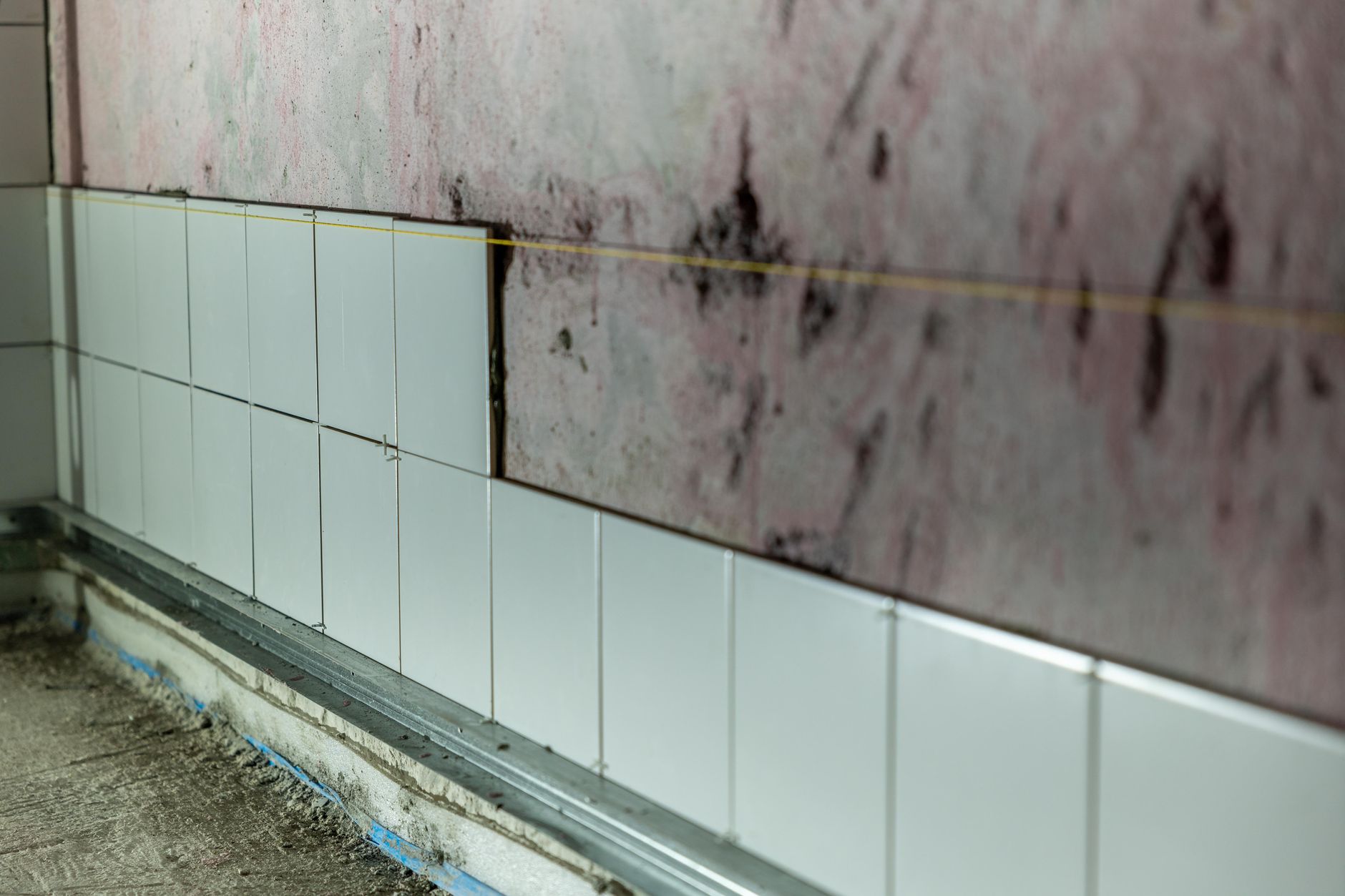
Once moisture has been present for more than a few days, physical signs begin to emerge. In hardwood floors, look for cupping (edges rising above the center), crowning (center rising above the edges), or buckling where boards separate from the subfloor entirely. In tile, cracked grout lines, hollow-sounding tiles when tapped, and lippage (uneven tile edges) all point to moisture compromising the mortar bed or cement board beneath. Soft or spongy spots underfoot — especially near plumbing fixtures — almost always indicate subfloor saturation.
Realistic Repair Costs in Orange County
Subfloor repair costs in Southern California vary significantly based on scope, materials, and whether mold remediation is also required. As a general reference for Orange County homeowners:
- Subfloor drying only (no structural replacement): $800–$2,500, depending on the number of drying units deployed and duration
- Partial subfloor replacement (one room): $1,200–$4,000 for material and labor
- Full subfloor replacement with flooring reinstallation: $4,000–$12,000+ depending on square footage and finish material
- Slab leak repair plus subfloor restoration: $5,000–$20,000+ in complex cases
- Mold remediation if growth is present: Add $1,500–$6,000 depending on extent
Homeowners in Newport Beach and Huntington Beach with higher-end hardwood or stone tile flooring should plan for higher material replacement costs on top of structural repairs. Most legitimate contractors in Orange County will provide a detailed written scope of work and estimate before any demolition begins.
When to DIY — and When to Call a Professional Immediately
Small, contained spills that are cleaned up within 24–48 hours rarely require professional intervention if the moisture doesn’t penetrate below the surface layer. Blotting, fan drying, and monitoring with an inexpensive consumer moisture meter can be sufficient for truly minor incidents.
However, you should contact a certified restoration company without delay if:
- The moisture source was active for more than 48 hours before discovery
- You can smell mold or see discoloration on baseboards, walls, or grout
- The water came from a sewage backup, HVAC system, or unknown source
- Flooring feels soft, spongy, or has visibly buckled
- The affected area exceeds roughly 10 square feet of flooring
The CDC recommends that any mold growth larger than 10 square feet be handled by a trained professional. In practice, subfloor mold often covers far more area than visible surface signs suggest.
The Risks of Ignoring Subfloor Damage
Delayed action on subfloor moisture is one of the most costly mistakes Orange County homeowners make. Within 24–48 hours, mold spores can begin to colonize wet wood. Within a week, structural softening begins in OSB and lower-grade plywood. Within a month, floor joists and the structural framing they support can sustain meaningful damage. What might have cost $1,500 to dry out in the first week can escalate to a $15,000 structural repair job if ignored for two months. Beyond cost, untreated mold beneath flooring can affect indoor air quality throughout the home, with potential health consequences the EPA documents as including respiratory irritation, allergic reactions, and worsened asthma symptoms.
What Professional Restoration Actually Involves
When an IICRC-certified technician responds to subfloor moisture damage, the process follows industry-standard protocols that go well beyond placing a fan and hoping for the best.
Professional Equipment and Methods
- Commercial-grade dehumidifiers — Far more powerful than anything available at a hardware store, these units can remove 100+ pints of moisture per day from a structure
- HEPA air scrubbers — Filter airborne particulates including mold spores during the drying and remediation process, protecting occupants and workers
- Desiccant drying systems — Used in crawl spaces and low-temperature environments where refrigerant dehumidifiers lose effectiveness
- Negative air pressure containment — Prevents cross-contamination of mold spores to unaffected areas during remediation work
- Antimicrobial treatments — Applied to affected subfloor and framing surfaces after drying to inhibit future growth
If mold is confirmed during the inspection, the scope expands to include mold removal protocols, which may involve controlled demolition of affected subfloor sections, HEPA vacuuming of framing, and clearance testing by an independent industrial hygienist before reconstruction begins.
Major Restoration Companies Homeowners Research
When searching for help with subfloor damage, many Orange County homeowners come across national franchise names. Here’s an honest overview:
- SERVPRO — Large national franchise network with broad availability. Quality varies significantly by individual franchise owner. Pricing tends to be at or above market rate in Orange County.
- ServiceMaster Restore — Another long-established national brand with franchise locations across Southern California. Generally strong on documentation and insurance coordination.
- PuroClean — Smaller franchise network with a focus on residential work. Coverage in Orange County is more limited than the larger brands.
- BELFOR Property Restoration — Known for large commercial and catastrophic loss projects. Can handle residential work but is more naturally scaled for major structural losses.
All of these are legitimate options. The practical advantage of working with a locally-owned, IICRC-certified company is direct access to the technicians doing the work — not a call center — and pricing that reflects the local Orange County market rather than a national franchise model.
Why Orange County Homeowners Choose Ready Restore OC
Ready Restore OC is a locally owned and operated restoration company serving Irvine, Anaheim, Brea, Fullerton, Costa Mesa, Yorba Linda, Santa Ana, Garden Grove, Newport Beach, Huntington Beach, and surrounding communities throughout Orange County.
- IICRC-certified technicians in water damage restoration and applied microbial remediation
- Thermal imaging and advanced moisture mapping included in every inspection
- 24/7 emergency response — typically on-site within 60–90 minutes anywhere in Orange County
- Direct insurance billing and documentation support
- Full-service approach: detection, drying, mold remediation, and structural restoration under one roof
- Transparent written estimates before any work begins — no surprises
- Locally owned — you speak directly with the people doing the work
If you’ve noticed signs of moisture beneath your flooring and want an honest assessment, request an inspection from our team today.
Frequently Asked Questions
How long does it take to dry out a water-damaged subfloor?
Drying time depends on the material, saturation level, and environmental conditions, but most residential subfloor drying projects in Orange County take between 3 and 5 days with commercial-grade equipment in place. Concrete slabs retaining moisture beneath flooring can take 7–14 days or longer. Technicians use daily moisture readings to confirm progress and determine when the structure has returned to acceptable moisture levels before any flooring reinstallation begins.
Will my homeowner’s insurance cover subfloor water damage?
Coverage depends on the cause of the damage. Sudden and accidental losses — like an appliance supply line failure or a burst pipe — are typically covered under standard HO-3 homeowner’s policies. Gradual damage from a slow leak that went unaddressed is frequently excluded. An IICRC-certified company can help document the timeline and cause of loss, which is critical when filing a claim with your carrier.
Can mold really grow under my tile floor?
Yes, and it’s more common than most homeowners realize. While tile itself doesn’t support mold growth, the cement board, mortar bed, plywood subfloor, and floor joists beneath it are all organic or moisture-absorbing materials that mold can colonize readily. The CDC notes that mold can begin growing within 24–48 hours of water exposure on appropriate materials, and tile can trap moisture in ways that accelerate this process.
How do I know if my subfloor needs to be replaced or just dried out?
The determination comes down to structural integrity and moisture content. Subfloor material that has swelled, delaminated, or shows visible rot, soft spots, or mold colonization generally needs to be replaced rather than dried in place. A certified technician will probe the material and take moisture readings at multiple depths to make this call accurately. Attempting to dry and reinstall flooring over structurally compromised subfloor almost always leads to repeat problems and accelerated finish floor failure.
What does subfloor water damage smell like?
The most recognizable sign is a musty, earthy odor that intensifies in humid weather or when the HVAC system runs. This smell is produced by microbial volatile organic compounds (MVOCs) released by mold and mildew colonies, and it can permeate through floor coverings, baseboards, and into living spaces well before visible mold is apparent. If you notice this odor and can’t identify the source, it’s worth