How Fast Does Mold Actually Grow After Water Damage in Irvine — and What Should You Do Right Now?
If your home in Irvine has recently experienced a burst pipe, appliance leak, or flooding, the most dangerous thing you can do is assume you have plenty of time to deal with it. Mold doesn’t wait. It doesn’t give homeowners a week to get around to calling someone. Under the right conditions — and Southern California homes offer plenty of them — mold can begin colonizing within 24 to 48 hours of water exposure. That window is not a warning. It’s a deadline.
This article breaks down the science behind the mold timeline, explains what conditions make growth faster or slower, and gives Irvine homeowners a clear picture of what to do and when. Whether you’re dealing with a slow leak under a bathroom sink in Yorba Linda or a flooded living room after a plumbing failure in Huntington Beach, the decisions you make in the first day or two will determine how serious — and how expensive — the problem becomes.
The Mold Timeline: What Happens Hour by Hour After Water Damage
Understanding how mold behaves after water damage isn’t just useful — it’s essential for protecting your home and your family’s health. Mold spores are always present in the air, both indoors and out. They’re harmless as long as they don’t have the moisture they need to germinate. Water damage changes that equation immediately.
Within the First 24 Hours
In the first 24 hours after water damage, mold spores that land on wet organic material — drywall, wood framing, carpet padding, ceiling tiles — begin to germinate. You won’t see anything yet. There’s no visible growth, no smell, and no obvious sign that anything biological is happening. But underneath the surface, the process has started. This is also the window where professional water damage restoration makes the biggest difference. Extraction and drying equipment deployed within this first day can dramatically reduce the likelihood that mold ever takes hold.
24 to 48 Hours: The Critical Window
This is the threshold that restoration professionals refer to constantly, and for good reason. By the 48-hour mark, mold colonies can begin forming visible growth under ideal conditions. In Irvine and across Orange County, those conditions are frequently met — homes are well-insulated, indoor humidity runs higher than people realize, and temperatures rarely drop low enough to slow microbial activity. According to the EPA, mold can begin growing on wet building materials within 24 to 48 hours and should be addressed immediately. Waiting until the 72-hour mark to call anyone is already playing catch-up.
48 Hours to 7 Days: Visible Growth and Spreading Contamination
If moisture isn’t addressed, mold enters an active growth phase. Colonies spread across surfaces, mycotoxins begin accumulating, and the affected area expands — often invisibly, inside walls and under flooring. By day three or four, what might have been a contained remediation job starts becoming a larger, more expensive project. The CDC notes that mold exposure can cause respiratory symptoms, allergic reactions, and more serious health complications, particularly for children, elderly residents, and anyone with asthma or a compromised immune system.
After One Week: Structural Damage and Full Remediation Required
A week of unchecked moisture means mold has likely penetrated porous materials deeply enough that surface cleaning won’t resolve the problem. Drywall, subflooring, and wall insulation may need to be removed and replaced. In homes across Anaheim, Costa Mesa, and Fullerton, we regularly see cases where a seemingly minor water event — a slow toilet supply line leak, for example — goes unnoticed for a week and results in $8,000 to $20,000 in remediation and reconstruction costs.
What Makes Mold Grow Faster or Slower in Orange County Homes
Not every water damage event carries the same mold risk. Several variables influence how quickly mold becomes a serious problem.
Indoor Temperature
Mold thrives between 60°F and 80°F — a range that covers most Orange County interiors year-round. Homes in Newport Beach and Santa Ana rarely drop below this threshold indoors, even in winter. Higher temperatures accelerate growth further. A wet wall cavity in a sun-exposed room in August can produce visible mold faster than the same event during a cool January night.
Type of Material That Got Wet
Mold feeds on organic material. Drywall paper, wood studs, carpet backing, and ceiling tiles are all ideal substrates. Concrete and tile are far less hospitable but can still harbor mold on organic debris or dust. Homes built before the 1980s, common in parts of Fullerton, Garden Grove, and Anaheim, often have older materials that absorb moisture more readily and are harder to dry completely.
Humidity Levels
Even after standing water is removed, high relative humidity in a room keeps building materials wet enough for mold to grow. Coastal areas like Huntington Beach and Newport Beach carry naturally higher ambient humidity, which means water-damaged homes there are at greater risk than inland areas — though Irvine’s inland summer heat creates its own set of conditions that shouldn’t be underestimated.
How Quickly Drying Begins
This is the single most controllable factor. A homeowner who calls a professional restoration company within the first few hours of discovering water damage — and who gets industrial-grade drying equipment deployed that same day — dramatically improves their outcome. A homeowner who waits three days, places box fans around the room, and hopes for the best is almost certainly going to deal with mold.
DIY vs. Professional Mold Response: Where the Line Is
What Homeowners Can Reasonably Handle
If you catch a small spill or very minor leak within the first hour, and the affected area is less than 10 square feet of non-porous surface, basic cleaning and drying may be sufficient. The EPA’s general guideline is that areas under 10 square feet can sometimes be addressed by a careful homeowner using proper protective equipment and antimicrobial cleaning agents. That said, this applies to surface mold — not mold inside walls, under flooring, or in HVAC systems.
When You Need a Professional
Any water damage that has sat for more than 24 hours, affects porous materials, involves more than one room, or originates from a sewage or gray water source requires professional attention. Certified mold removal technicians have access to equipment and testing protocols that simply aren’t available to homeowners — and they can identify hidden moisture that box fans and shop vacs will never reach.
What Professional Mold Remediation Actually Involves
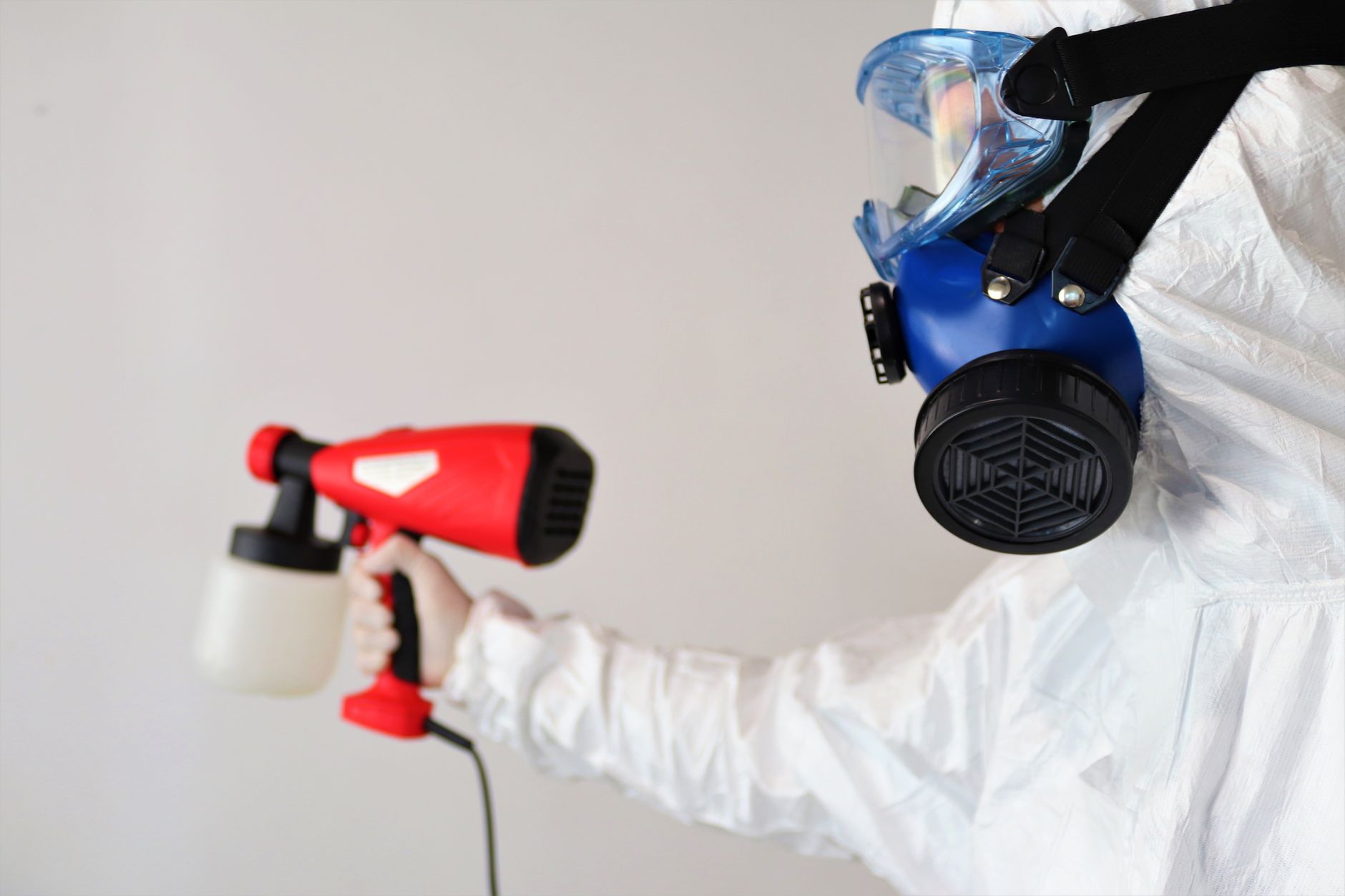
Homeowners sometimes underestimate what professional remediation entails because they assume it’s just cleaning and spraying. In reality, IICRC-certified technicians follow a structured remediation protocol that includes several phases.
Assessment and Moisture Mapping
Before any work begins, technicians use thermal imaging cameras and calibrated moisture meters to identify exactly where water has migrated — including inside walls and under flooring that looks dry from the surface. This step prevents the common mistake of stopping remediation too early because the visible area looks fine.
Containment and Air Quality Control
Affected areas are isolated using physical barriers and negative air pressure systems to prevent mold spores from spreading to clean areas of the home during work. HEPA air scrubbers run continuously during the remediation process, capturing airborne spores at the 0.3-micron level. The American Industrial Hygiene Association (AIHA) provides industry standards for air quality during and after mold remediation that certified firms are expected to follow.
Removal, Drying, and Treatment
Compromised materials are removed and disposed of according to local regulations. Commercial dehumidifiers — which can remove 30 to 70 gallons of moisture per day, compared to the 1 to 2 gallons a residential unit handles — are deployed to bring structural materials into acceptable moisture content ranges. Antimicrobial treatments are applied to affected surfaces, and post-remediation testing confirms the area is clear before containment is removed.
What Mold Remediation Costs in Orange County
In Southern California, professional mold remediation typically runs between $1,500 and $6,000 for moderate cases affecting one or two rooms. Larger infestations involving multiple rooms, HVAC contamination, or significant structural material removal can reach $15,000 to $30,000 or more. The cost of acting within the 24 to 48-hour window is almost always a fraction of what delayed action costs. Brea homeowners who call within the first day of a water event consistently see lower total project costs than those who wait — sometimes by a factor of three or four.
National Companies Homeowners Research — and How to Compare
When searching for mold remediation help, many Irvine homeowners come across national franchise brands like SERVPRO, ServiceMaster Restore, PuroClean, and BELFOR Property Restoration. These are established companies with nationwide presence, and it’s completely reasonable to research them. What homeowners often find, however, is that local Orange County providers offer faster response times, more direct technician communication, and greater flexibility on pricing — without sacrificing the IICRC certifications and equipment standards the national brands advertise. The key is to ask any company — national or local — for proof of IICRC certification, a written scope of work, and references from local jobs before signing anything.
Why Orange County Homeowners Choose Ready Restore OC
Ready Restore OC is a locally owned and operated restoration company based in Brea, serving homeowners throughout Orange County including Irvine, Anaheim, Newport Beach, Huntington Beach, Yorba Linda, Fullerton, Garden Grove, Costa Mesa, and Santa Ana. Here’s what sets the company apart:
- IICRC-certified technicians in water damage restoration and mold remediation
- 24/7 emergency response — average response time under two hours in most OC cities
- Thermal imaging and moisture mapping included in every assessment
- HEPA air scrubbers, commercial dehumidifiers, and industrial drying equipment on every job
- Direct insurance billing and claims assistance
- Post-remediation air quality testing to confirm clearance
- Transparent, written estimates before any work begins
- Locally reviewed and trusted throughout Brea, Irvine, and surrounding communities
If you’ve experienced water damage in the last 24 to 48 hours, the most important thing you can do right now is request an inspection before the situation progresses. Every hour matters.
Frequently Asked Questions
Can mold really start growing in just 24 hours?
Yes. Under warm, humid conditions with wet organic material present, mold spores can begin germinating within 24 hours. You may not see visible growth yet, but the colonization process has started. In Orange County’s climate, this timeline is realistic year-round, which is why immediate response to water damage is so important.
What if I can’t see mold but my home had water damage a week ago?
Invisible mold is often more dangerous than visible mold because homeowners don’t know to address it. Mold growing inside walls, under flooring, or in ceiling cavities can spread significantly before any surface signs appear. A professional moisture assessment with thermal imaging and air sampling is the only reliable way to know what’s actually happening inside your walls.
Will my homeowner’s insurance cover mold remediation in California?
It depends on the cause. Mold resulting from a sudden, accidental water event — like a burst pipe — is generally covered under standard homeowner’s policies. Mold resulting from long-term neglect or maintenance issues is typically excluded. Ready Restore OC works directly with insurance carriers and can help document the cause of loss to support your claim.
How long does professional mold remediation take in a typical Irvine home?
Most contained mold remediation projects affecting one to two rooms take between two and five days from assessment to post-remediation clearance testing. Larger projects involving structural removal and reconstruction can take one to three weeks. The timeline depends heavily on the extent of moisture intrusion and how quickly materials can be dried to acceptable levels.
Is it safe to stay in my home during mold remediation?
For small, well-contained remediation projects, it’s often possible to remain in the home — especially if the affected area is isolated from living spaces. For larger jobs involving significant contamination, HVAC involvement, or heavy airborne spore counts, temporary relocation during the active remediation phase is typically recommended. Your technician will advise you based on air quality testing results and the scope of work.
Contact Ready Restore OC
Ready Restore OC
2771 Saturn St STE D, Brea, CA 92821
Phone: (714) 464-8246
Email: service@readyrestoreoc.com
Website: https://readyrestoreoc.com