
How Do You Know If Your Orange County Home Has Hidden Water Damage?
Water damage is one of the most deceptive problems a homeowner can face. The real danger isn’t the burst pipe you can see — it’s the slow leak behind your drywall, the moisture creeping under your tile, or the saturated insulation you’ll never notice until mold has already taken hold. For homeowners in Orange County, where older housing stock in cities like Anaheim, Santa Ana, and Garden Grove meets aging plumbing infrastructure, the risk of hidden water damage is higher than most people realize.
This article walks you through the most important warning signs of water damage, explains what they mean structurally and financially, and helps you understand when you can handle something yourself versus when you need a certified professional on-site. Whether you’re in a newer Irvine master-planned community or a mid-century bungalow in Fullerton, these indicators apply — and catching them early can save you tens of thousands of dollars in repairs.
What Hidden Water Damage Actually Is
Most people picture water damage as a flooded garage or a ceiling that collapsed after a roof leak. Those events are obvious. Hidden water damage, by contrast, develops slowly — sometimes over months or years — in spaces you don’t regularly inspect. It can come from a pinhole leak in a copper supply line, a cracked wax ring under a toilet, improper caulking around a shower, or even condensation building up in an attic or crawlspace.
The EPA estimates that moisture intrusion is the leading cause of indoor mold growth, and mold can begin colonizing wet materials in as little as 24 to 48 hours. In Southern California’s climate — where coastal cities like Newport Beach and Huntington Beach see high humidity near the ocean, and inland areas like Yorba Linda and Brea see temperature swings that cause condensation — the conditions for hidden moisture problems are common year-round.
Understanding water damage restoration starts with knowing where to look and what early indicators mean before the damage becomes structural.
The Most Important Warning Signs to Watch For
Unexplained Increases in Your Water Bill
If your monthly water usage has crept up without an obvious explanation — more people in the house, new appliances, a change in habits — you may have a slow leak somewhere in your plumbing. A hidden leak losing just a few drips per minute can waste thousands of gallons over a year and quietly saturate framing, subfloor, and insulation. Orange County Water District customers can request usage history going back several months, which can help identify the month a leak likely started.
Discoloration, Staining, or Bubbling on Walls and Ceilings
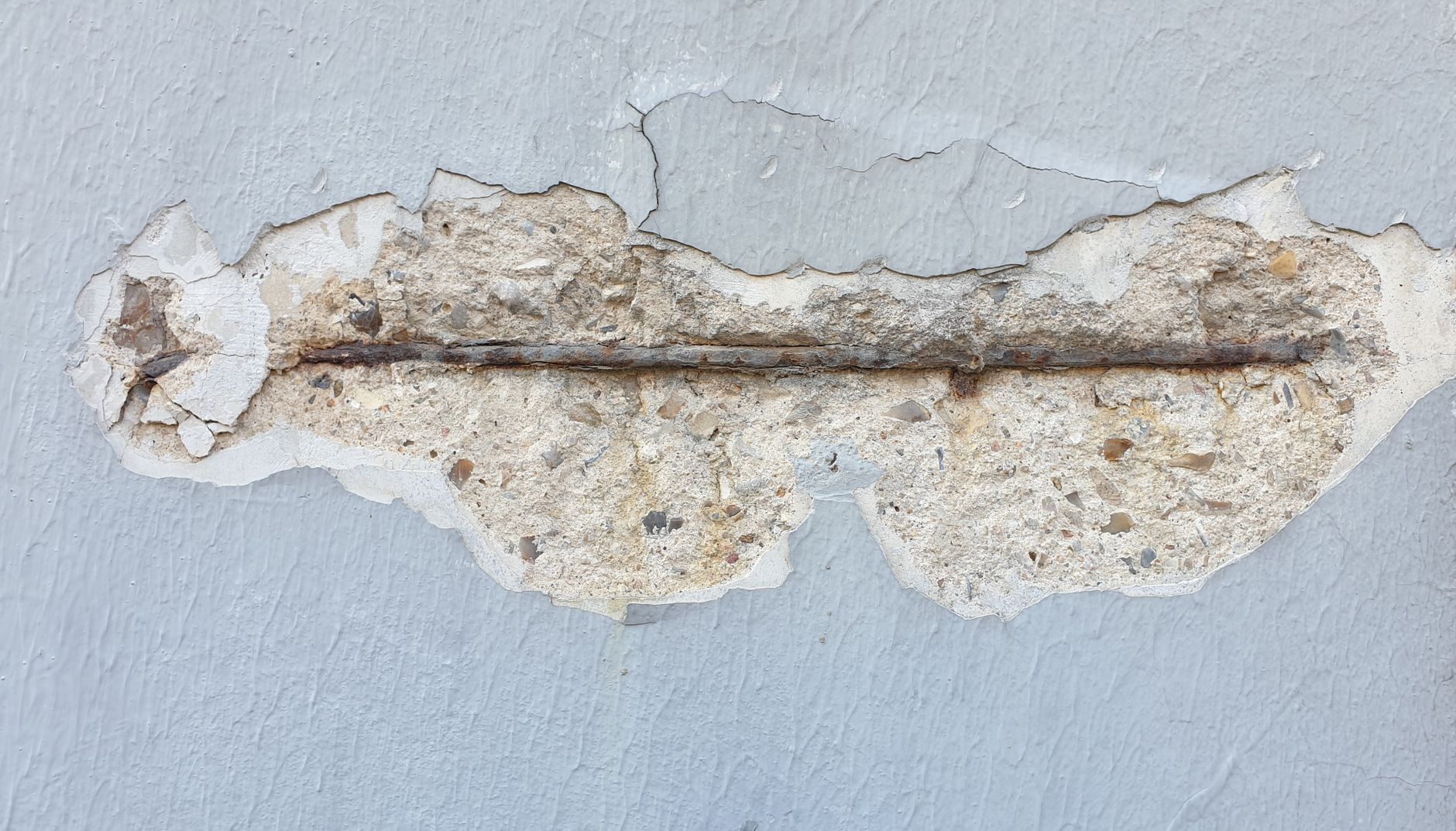
Yellow or brown staining on a ceiling or wall surface is almost always a sign of water that has passed through the material — whether from a roof, an upstairs bathroom, or a slow pipe leak. Bubbling or peeling paint is often caused by moisture vapor that has saturated the drywall beneath. In many Costa Mesa and Huntington Beach homes built in the 1970s and 1980s, popcorn ceilings can mask staining for years. Don’t dismiss these as cosmetic issues — they’re indicators of active or past moisture intrusion.
Musty or Earthy Odors
Mold produces microbial volatile organic compounds (mVOCs) as it grows, which create the distinctive musty smell many homeowners notice before they see any visible growth. If a room — particularly a bathroom, laundry room, or finished basement — smells persistently musty even after cleaning and ventilating, hidden mold is a serious possibility. The CDC is clear that any visible or smell-detectable mold should be investigated and addressed, regardless of the species.
Warping, Buckling, or Soft Spots in Flooring
Wood flooring that cups, buckles, or feels spongy underfoot has absorbed moisture — either from above or below. In homes with slab foundations common throughout Irvine and newer parts of Anaheim, a slab leak can push moisture up through flooring from underneath, causing damage that’s easy to misattribute to humidity. Tile that cracks or grout that crumbles can also indicate subfloor movement caused by water absorption beneath the tile bed.
Rust Stains Around Fixtures or Under Sinks
Rust-colored staining around toilet bases, under sink cabinets, or around supply line connections often indicates a long-running slow leak. By the time you see rust, the surrounding wood or drywall has likely been wet many times. Cabinets under kitchen and bathroom sinks are one of the most commonly overlooked inspection points in any home — and one of the most frequent sources of hidden water damage in Orange County homes.
Visible Mold Growth — Even Small Patches
A small patch of mold on grout or caulking isn’t always cause for alarm, but mold on drywall, wood framing, or behind baseboards is a different matter. Surface mold on tile can usually be cleaned with appropriate products. But mold on porous building materials means the material is contaminated and likely needs to be removed. If you see mold in one area, professional assessment is warranted — what’s visible is rarely the full extent of the colony. Learn more about what a professional mold remediation inspection involves and why surface-level cleaning isn’t enough.
Key Factors That Determine Severity and Cost
Not all water damage is equal. The IICRC (Institute of Inspection, Cleaning and Restoration Certification) classifies water damage by category — from clean water (Category 1) to contaminated sewage water (Category 3) — and by class, based on how much material has absorbed moisture. These classifications directly affect how a remediation is structured and what it costs.
In Orange County, professional water damage remediation typically ranges from $1,500 to $8,000 for moderate cases, and can exceed $20,000 or more when structural drying, mold remediation, and reconstruction are required. Early detection is the single most powerful cost-control factor available to homeowners — catching a problem at the staining stage versus the structural rot stage can mean the difference between a $1,200 repair and a $15,000 project.
DIY Inspection vs. Calling a Professional
What Homeowners Can Do Themselves
Routine visual inspections are something every homeowner should do quarterly. Check under all sinks, around water heater connections, behind toilets, along baseboards in bathrooms and laundry areas, and in any area with a history of leaks. Look for discoloration, soft materials, rust staining, or any smell that doesn’t belong. If you find evidence of past moisture — old staining that appears dry — it’s still worth investigating because the source may still be active.
When to Bring in a Certified Professional
If you find any of the following, stop the DIY approach and call a professional: visible mold on non-tile surfaces, flooring that feels soft or buckled, unexplained musty odor that doesn’t resolve, or any evidence of a leak you can’t definitively trace and fix. Certified technicians use tools that fundamentally change what’s possible to detect — including thermal imaging cameras that reveal temperature differentials behind walls caused by moisture, moisture meters that measure saturation levels inside building materials, and commercial dehumidifiers rated for structural drying rather than comfort control.
Risks of Ignoring Early Warning Signs
Homeowners who delay investigation frequently face compounding costs. A slow leak that saturates subfloor over six months can destroy engineered hardwood flooring, rot out the subfloor sheathing, and if the leak is near a wall cavity, begin degrading structural framing. More critically, extended moisture exposure almost always results in mold colonization — and mold remediation on top of structural repairs is a significantly more expensive and disruptive project.
There are also health implications. Prolonged mold exposure has been linked to respiratory issues, allergy exacerbation, and more serious health effects in immunocompromised individuals, according to the CDC. Families with young children or elderly members in Brea, Garden Grove, or any other OC community should treat unexplained musty odors or visible mold as a health issue, not just a home maintenance issue.
What Professional Remediation Involves
IICRC-certified technicians follow a documented drying and remediation protocol that includes moisture mapping, containment where necessary, HEPA air scrubbers to capture airborne particulates and mold spores, commercial-grade dehumidifiers, and final clearance testing. The process is methodical and verifiable — not just drying what’s visible and moving on.
For mold cases, affected porous materials are typically removed, the area is treated with antimicrobial agents, and air quality is tested post-remediation to confirm the space is safe. This is the standard of care recommended by both the IICRC and industry organizations like the AIHA (American Industrial Hygiene Association).
Other Restoration Companies Orange County Homeowners Research
It’s worth being transparent: many homeowners in Orange County will also look at national franchise restoration companies during their research. Companies like SERVPRO, ServiceMaster Restore, PuroClean, and BELFOR Property Restoration are all legitimate, established brands with franchise locations serving parts of Southern California. They offer structured processes and are generally insured and certified.
The difference with a locally operated, independent company like Ready Restore OC is direct accountability — you work with the same team from assessment through completion, not a rotating staff of subcontractors. Scheduling tends to be faster, communication is more direct, and the team has specific, current knowledge of OC housing construction, local permit requirements, and insurance adjuster relationships throughout Orange County.
Why Orange County Homeowners Choose Ready Restore OC
- IICRC-certified technicians trained in water damage and mold remediation protocols
- Thermal imaging and moisture meter assessment for accurate, non-invasive detection
- HEPA air scrubbers and commercial dehumidifiers for structural drying
- Rapid response and same-day inspections available throughout Orange County
- Transparent documentation suitable for insurance claims
- Serving Irvine, Anaheim, Newport Beach, Huntington Beach, Yorba Linda, Fullerton, Brea, Garden Grove, Costa Mesa, Santa Ana, and surrounding communities
- Locally operated — not a franchise, not a call center handoff
- Full-service: detection, containment, drying, mold remediation, and reconstruction coordination
If you’ve noticed any of the warning signs covered in this article, the best next step is a professional inspection before you spend money guessing. Request an inspection with Ready Restore OC and get clear answers about what’s happening in your home.
Frequently Asked Questions
How can I tell if water damage is old or still active?
Old water stains that are fully dry will typically have a consistent, defined edge and no soft or spongy feeling in the surrounding material. Active leaks usually show darker, irregular staining or a gradient from wet to dry. A moisture meter is the most reliable way to determine whether materials are still elevated in moisture content — and it’s a standard part of any professional assessment.
Can I paint over water stains without fixing the source first?
No — and this is one of the most common mistakes homeowners make. Paint over an active or unresolved leak and you’ll see the stain bleed through within weeks. More importantly, painting over moisture traps it in the material and accelerates mold growth behind the surface. Always resolve the moisture source and allow materials to fully dry to industry standards before any cosmetic work.
How much does professional water damage assessment cost in Orange County?
Many restoration companies, including Ready Restore OC, offer free initial inspections and moisture assessments. If a formal written assessment report is required for insurance or legal purposes, fees typically range from $150 to $400 depending on scope. Remediation costs vary significantly based on the extent of damage, materials affected, and whether mold is involved.
Does homeowner’s insurance cover hidden water damage?
It depends on the cause. Most standard HO-3 policies cover sudden and accidental discharge — like a pipe that bursts — but exclude gradual leaks or damage that results from deferred maintenance. If a slow leak went undetected for months, insurers may dispute coverage. Thorough professional documentation of the source and timeline is essential when filing any water damage claim in California.
How quickly does mold grow after water damage in Orange County’s climate?
The EPA notes that mold can begin growing within 24 to 48 hours of moisture exposure under the right conditions — and Orange County’s coastal humidity and warm temperatures create favorable conditions year-round, particularly in cities closer to the coast like Newport Beach and Costa Mesa. This is why immediate response to any water intrusion event is critical, not something to monitor and revisit in a few days.
Contact Ready Restore OC
Ready Restore OC
2771 Saturn St STE D, Brea, CA 92821
Phone: (714) 464-8246
Email: service@readyrestoreoc.com
Website: https://readyrestoreoc.com